


Stop Heating the Air: Why IR Emitters Beat Forced Air
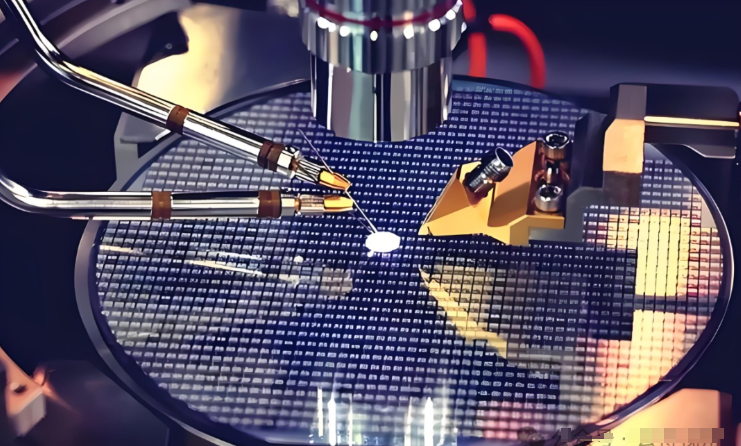
If you’re still using forced hot air for semiconductor processing, you’re basically fighting a losing battle with physics. Think about it. Air is a terrible conductor of heat. When you rely on air circulation, you spend half your time just trying to get the chamber up to temperature before the wafer even feels a thing. It’s slow. It’s frustrating. And it wastes a ton of time that you could be using to actually get parts out the door. Switching to infrared (IR) emitters changes the whole vibe. Instead of warming up the room, IR beams radiant energy straight into the substrate. It’s a night-and-day difference. You stop waiting on the air to heat up and start hitting your target temperatures in seconds.**Seconds.**That’s a lot of recovered time in a single shift.
The Secret is in the End Caps
Now, an IR emitter isn’t just a plug-and-play heater; it’s a delicate system. When you’re pushing the kind of high watt density needed for semiconductors, the spot where the electrical lead meets the quartz tube becomes a nightmare. That’s usually where things break. That’s why we use ceramic end caps. Ceramic doesn’t warp or oxidize when things get scorching. It creates a rock-solid seal that keeps contaminants out of the emitter. If you try to cut corners with cheap plastics or low-grade alloys, those caps will just burn out. Then you’re dealing with vacuum leaks or electrical shorts, and suddenly your “cheap” fix is costing you a fortune in downtime.
What to Watch Out For
The beauty of IR is that it’s targeted. You aren’t heating the entire footprint of the machine—just the part that needs it. Your throughput goes up because your cycle times plummet. But, there is a catch. Because IR is so fast, it’s easy to overshoot your set point. If your PID controller isn’t tuned for radiant heat, you might fly right past your target temperature. You’ll also notice the ceramic caps add a bit of bulk to the assembly, so just double-check your mounting brackets to make sure everything fits tight. We build these emitters to handle heavy-duty cycles. Just a heads-up: when you first wire them up, make sure your power supply can take the initial surge. Once you’ve got that sorted, it’s a simple drop-in replacement for your old air system that makes the whole process feel fast and effortless.