Why we stopped making “disposable” outdoor heaters
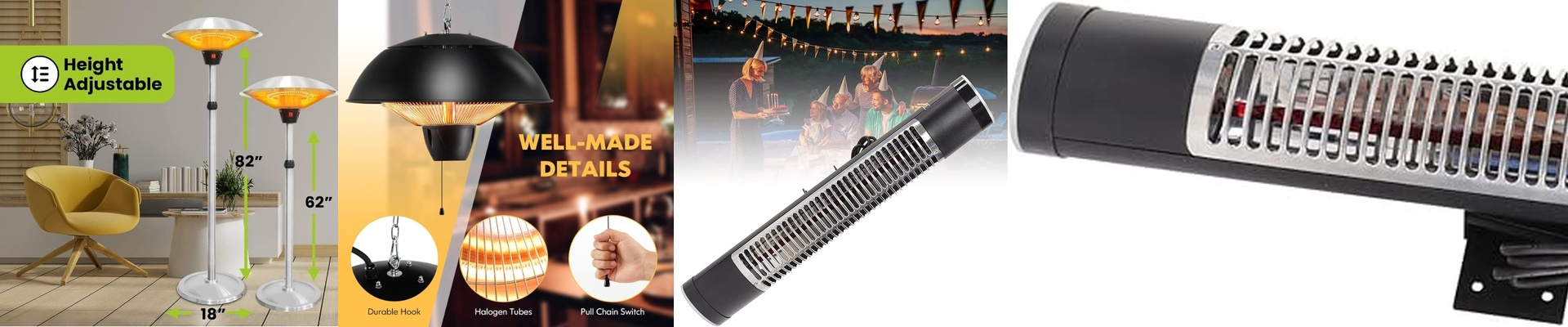
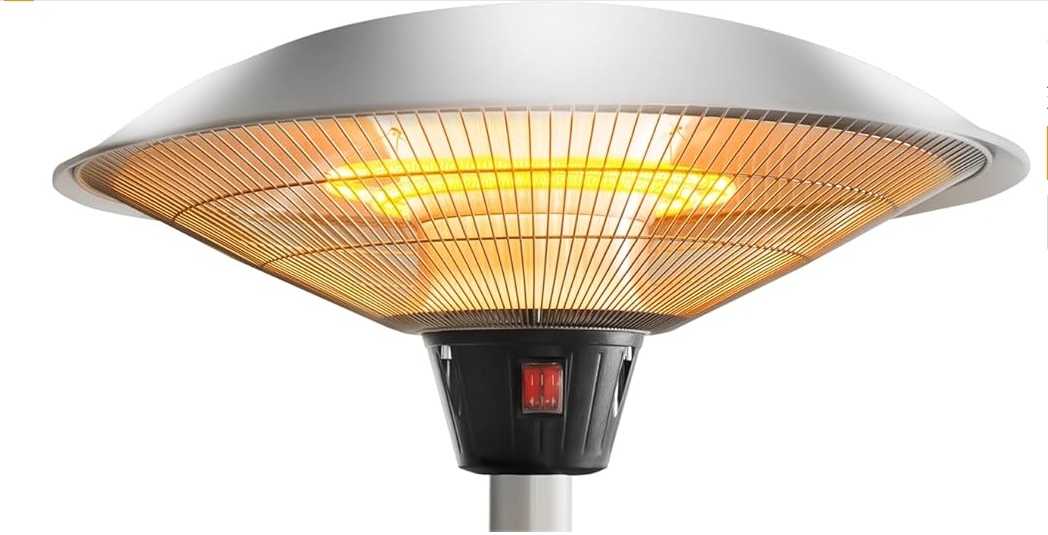
Most outdoor heaters are basically sealed boxes. That’s a problem. After a few years of battling salt air and rain, a heating element eventually burns out. When that happens, most people just toss the whole thing in a landfill. Why? Because paying a pro to tear the unit apart costs more than just buying a new one. We thought that was crazy. So we did things differently. The “Swap and Go” Approach Instead of hard-wiring everything into one giant circuit board, we built our heaters around a modular chassis. Think of it like a slot system. If a tube goes out, you don’t have to strip the whole housing or spend your afternoon fighting with wires. You just pop off the waterproof shield, unplug the dead element, and slide in a fresh one. It turns a grueling few hours of work into a couple of minutes. You don’t need a full electrical crew; you just need a steady hand. Keeping the Water Out Usually, when you make something waterproof, you have to lock it down so tight that you can’t even get inside to fix it. We found a workaround. We use specific gaskets that keep the outer shell tight against the weather but let the internal modules stay independent. We also use high-grade quartz tubes, which are great at handling the constant jump from freezing cold to blistering hot. One quick tip: when you’re swapping a tube,be careful with the seals. If you pinch a gasket while closing it up, you’ll lose that waterproof protection, and moisture will sneak in to mess with your terminals. Just take a second to make sure it’s seated right. Playing the Long Game Fast forward five years. You’re going to see some rust and oxidation on the mounting brackets—that’s just what happens outdoors. But here’s the beauty of the modular setup: you can replace the heating block without ripping out the heavy steel stand or the main wiring. You keep the same footprint, but you get that “day one” heat output back. It’s a simple drop-in system. Swap the part, flip the switch, and you’re warm again.