


Why We Stress-Test Every Single Wafer Heater
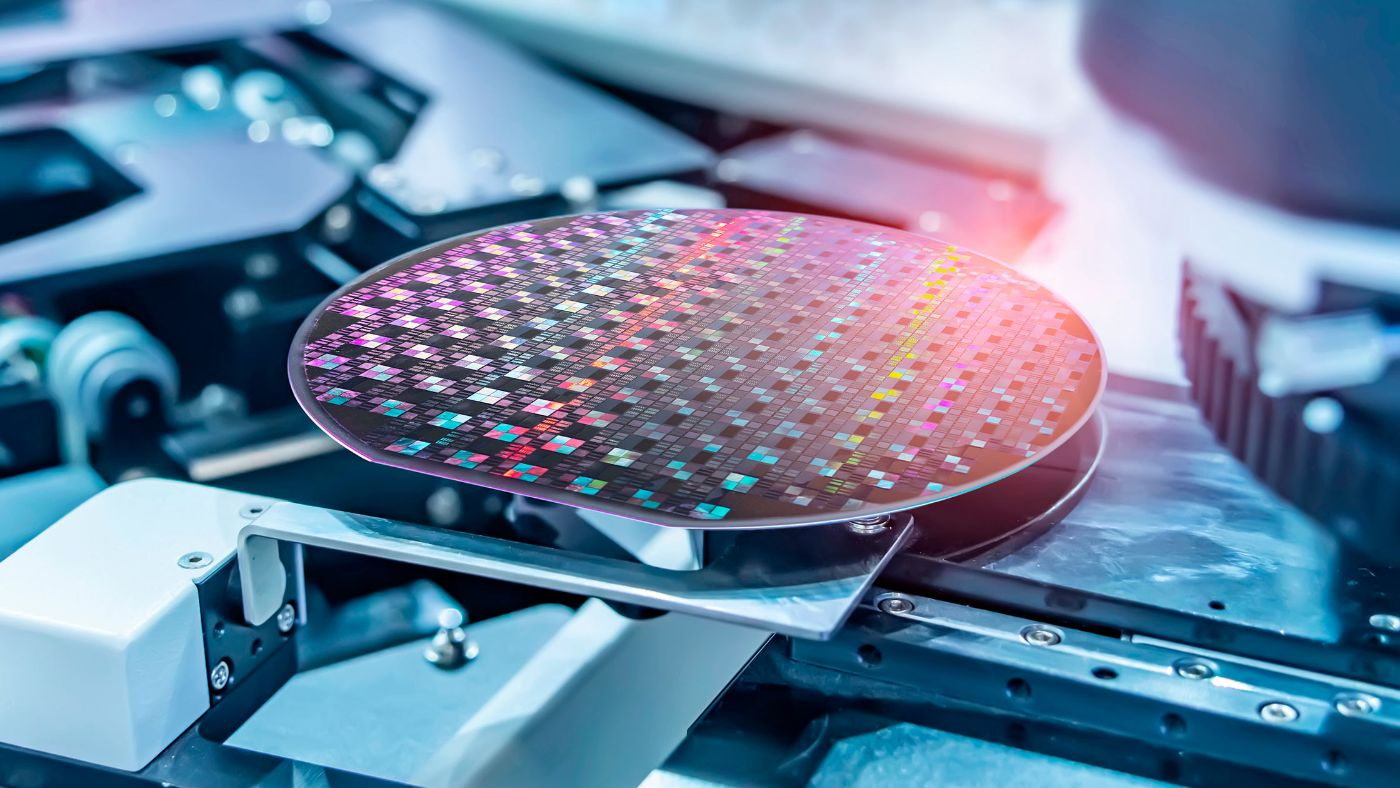
In the world of semiconductors, one tiny electrical leak is all it takes to scrap an entire batch of silicon. It’s a nightmare scenario. We build our wafer heaters to be energy-efficient and keep temperatures locked in tight, but the real battle isn’t the heat—it’s the insulation.
The Truth About HiPot Testing
We don’t do “sample checks.” We don’t test one out of every ten units and hope for the best. Every single heating element we make goes through a full voltage withstand (HiPot) and insulation resistance test before it even thinks about leaving our floor.Every single one. Here is why: the heating element lives right next to your most sensitive substrates. If there’s a microscopic crack in the ceramic or a tiny flaw in the potting compound, current leaks into the chassis. Suddenly, your temperatures start swinging wildly. Or worse, you get a catastrophic short that fries your controller. By pushing the insulation to its absolute limit in our factory, we catch the “lemons” before they ever reach your machine.
The Balancing Act of High-Density Heat
To get more energy efficiency, you usually need more power density in a smaller space. We use high-purity ceramics and specialized alloys to keep that heat focused exactly where the wafer is. But there’s a catch. More heat density means more stress on the insulation. When a heater jumps from room temperature to several hundred degrees, the materials expand and contract. It’s a constant mechanical beat-down. Over time, that stress can open up paths for electricity to leak. Our dielectric testing is how we make sure the insulation can handle that abuse without breaking a sweat.
A Quick Tip on Setup
Once these heaters are in your system, the rest is up to the wiring. You need a clean ground. Even with our testing, a sloppy ground at the machine level can basically bypass all the internal safety we built in. Also, double-check your cabling. Make sure it’s rated for your operating temperature so you don’t end up with melted insulation at the terminals.