
Stop Heating Your Equipment and Start Heating Your Wafers
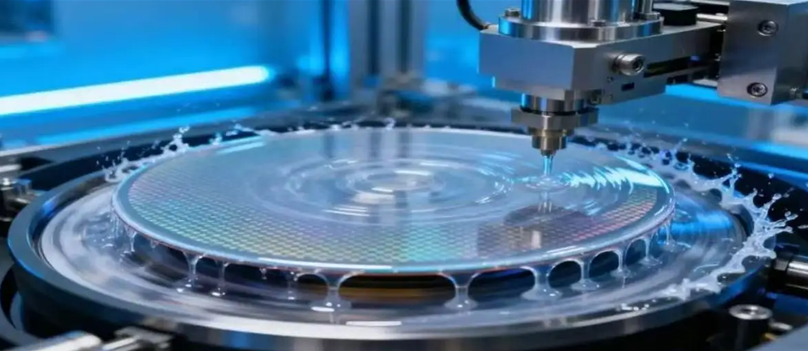
If you’ve ever worked with biosensor fabrication, you know the struggle with heat. Most standard IR lamps are basically lightbulbs—they throw heat in every single direction. The problem? Most of that energy never even touches your substrate. Instead, it hits the internal walls of your machine. You end up with a chassis that’s hot to the touch and a ton of wasted power just to keep a steel box warm. It’s inefficient, and honestly, it’s a safety risk. Getting the heat where it actually belongs We decided to fix this by focusing the beam. Instead of just using a bare quartz tube, we use reflectors and filters to push the IR energy in a tight, straight line. Think of it like switching from a floodlight to a flashlight. All that wattage goes straight onto the fabrication wafer. Because the heat isn’t bouncing around the cabinet, the machine stays cooler and your materials ramp up to temperature way faster. The catch (because there’s always one) Here is the trade-off: when you tighten the beam, you lose your margin for error. Your alignment has to be perfect. If the lamp shifts even a few millimeters, you’ll see cold spots on your substrate, and that’s a nightmare for consistency. You can’t just “wing it” with the installation—you need a rock-solid mounting bracket to keep everything centered. What this actually means for your shop floor The best part? You can stop buying oversized cooling fans just to keep your electronics from frying. When you focus the energy density on the chemistry and away from the chassis, the whole workspace feels different. It’s safer. It’s quieter. And you aren’t paying for electricity that’s doing absolutely nothing for your process.