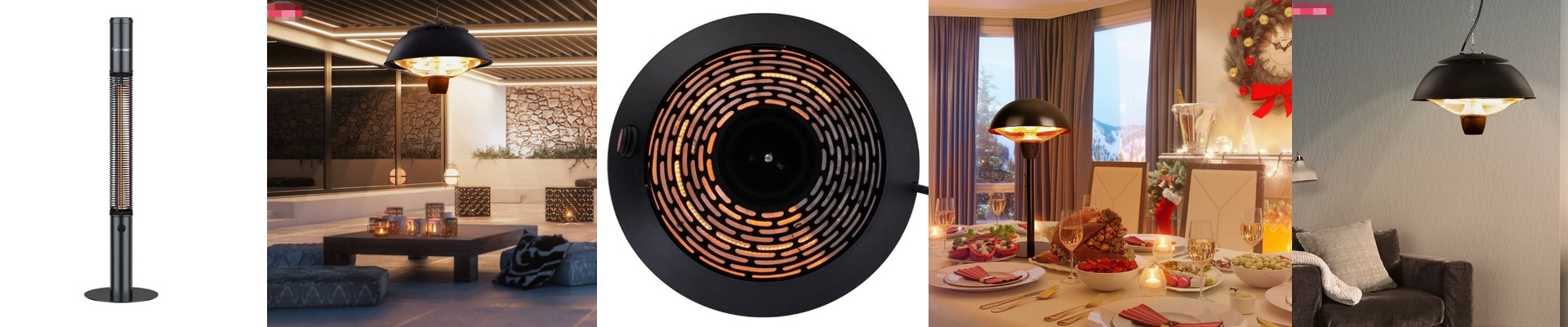
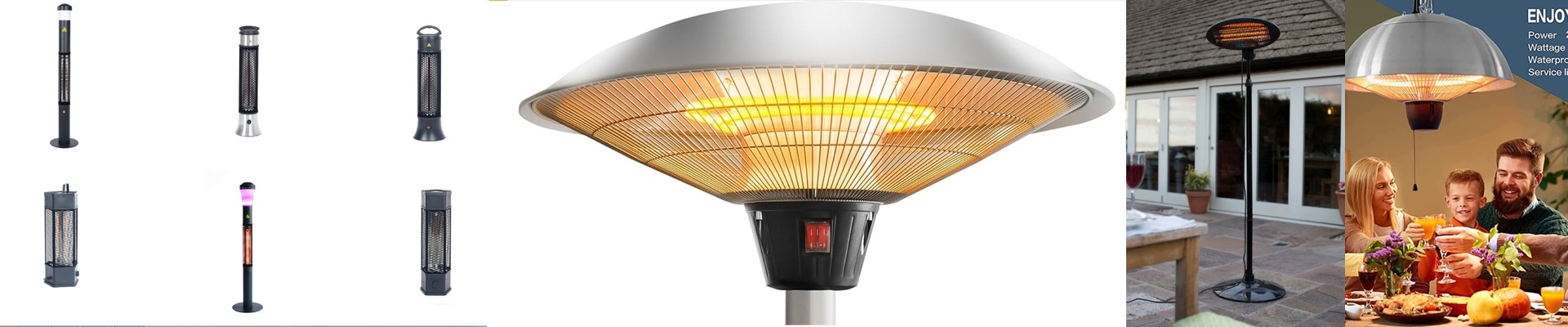

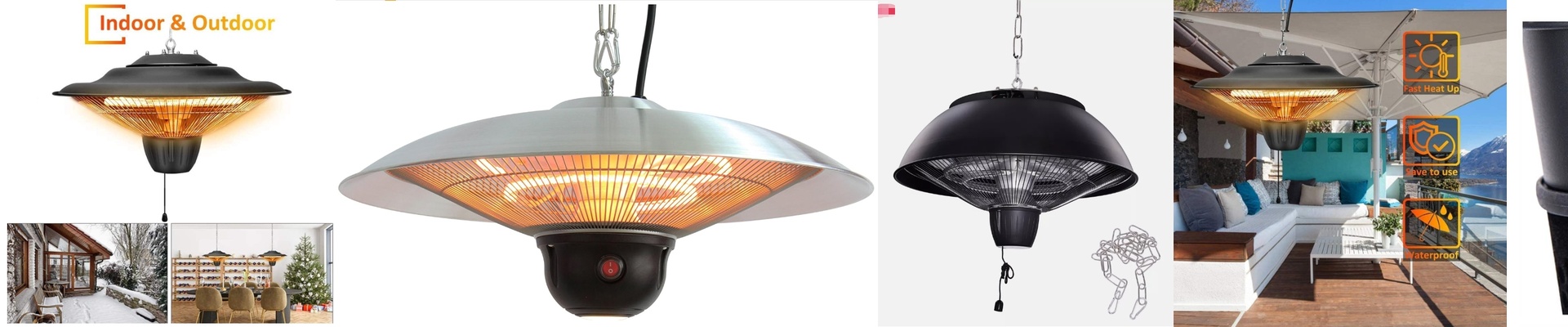
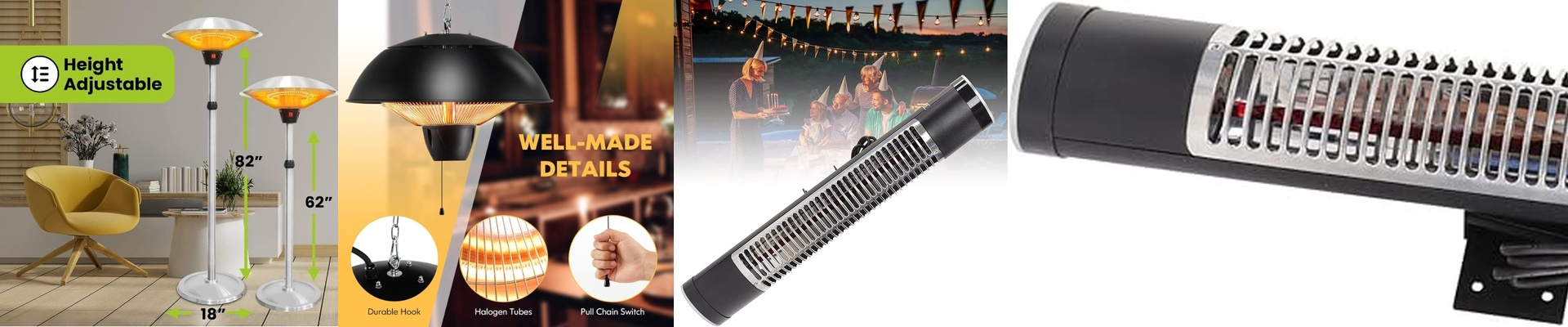

Out on the warehouse floor, the cold isn’t just uncomfortable—it’s a drag on the whole operation. Hands go numb, movement gets sluggish, and the work pace falls off while everyone waits for the air to turn bearable. Flip on an infrared heater and the shift happens right away. You feel warmth as a steady presence, not some far-off promise.
What’s actually going on under the hood
Infrared warehouse heaters put out radiant heat. They warm people, floors, and equipment directly, instead of trying to heat every cubic foot of air. Inside, you’re looking at a carbon fiber element or a quartz tube that comes up to temperature fast and delivers short- to medium-wave infrared energy. The payoff is immediate—seconds, not minutes.
Most electric units run on standard 240V and pull anywhere from 3 kW up to 12 kW, depending on what you need to cover. A built-in thermostat holds the space at the set point, and tip-over protection adds a practical safety layer you can actually rely on.
Why it clicks in a warehouse
The real payoff is speed. The space becomes workable quickly, so people stay comfortable without crowding around one heat source. Material handling keeps moving—no waiting around for the building to “warm up.” Because the heat is targeted at objects and people, you’re not throwing energy at air that just drifts away through bay doors and high ceilings.
That means steadier comfort, fewer slowdowns caused by the cold, and a workflow that stays consistent through the toughest stretches.
What you need to get right
Infrared heat is directional, so placement matters. Mount the heater high and aim it to cover aisles and work zones—don’t just warm one corner. Keep the required clearance to combustibles, and run it on a dedicated circuit if it’s going to see steady, heavy use.
One more thing: infrared warms surfaces and people fast, but it won’t feel as effective where drafts are constant. If doors open a lot, pair it with draft control to keep the comfort in balance.