

Certified Infrared Curing: The Real Engine Behind Green Semiconductor Work
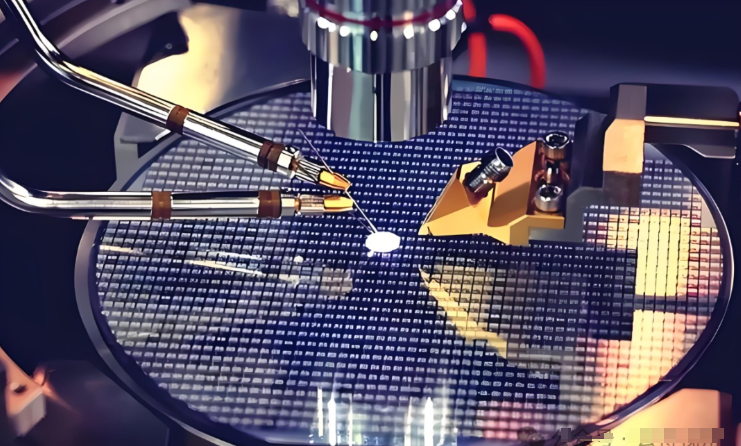
We build infrared curing lamps that are certified for the fab floor. They’re made to handle the heat demands of semiconductor work, and they help you hit your carbon reduction goals without cutting corners. The whole system leans on shortwave infrared. It packs in serious heat density, but keeps the control tight—so you can ditch the old, bulky heating methods that always felt like they were fighting you.
What’s under the hood: power, voltage, and space
The lamp is built around a 300mm quartz tube, tuned to deliver 2500W. That length-to-power balance concentrates the heat right where you need it. You get fast ramp-up for curing and annealing, without the temperature overshoot that can ruin a run. And the 400V setup? That’s a deliberate call for industrial fab lines. It lowers current draw compared to lower-voltage options, which means less line loss and less strain on your electrical distribution. That matters when you’re running big banks of lamps in parallel on the same circuit.
The materials that make it feel solid
We use a quartz envelope because it handles thermal shock and lets infrared through cleanly. The tube is coated to hold steady emissivity over thousands of cycles, so you don’t get output drift that can throw off repeatability. Inside, the halogen element gives you a clean heat source that responds quickly. It’s controllable in a way that feels reassuring when you’re chasing tight specs. And the R7s connector isn’t just a detail. It’s a tough, high-temperature interface that locks the lamp in place—no wobble, no loosening as things expand and contract with heat. That consistency means fewer alignment issues and less downtime for maintenance.
What it does for you: precision, speed, and a smaller footprint
In semiconductor manufacturing, infrared curing needs two things: tight thermal control and uptime you can count on. This lamp delivers localized heat fast, which shortens cycle time and cuts energy waste. It’s built to meet fab safety and quality requirements, so it can keep running the way your floor needs. Now, here’s the trade-off you should know up front: packing 2500W into a 300mm tube creates real heat density. So your machine’s cooling and thermal management need to be properly spec’d for the ambient load. Plan for that, and it behaves like a pro.
The green win—without sacrificing yield
If you’re working toward a greener factory, this lamp helps by shrinking the carbon intensity per part. It improves energy conversion and shortens process time, which moves you closer to carbon neutrality while keeping yield intact. That’s the kind of progress that doesn’t feel like a compromise. It feels like you finally have a tool that works as hard as you do.