


Introduction
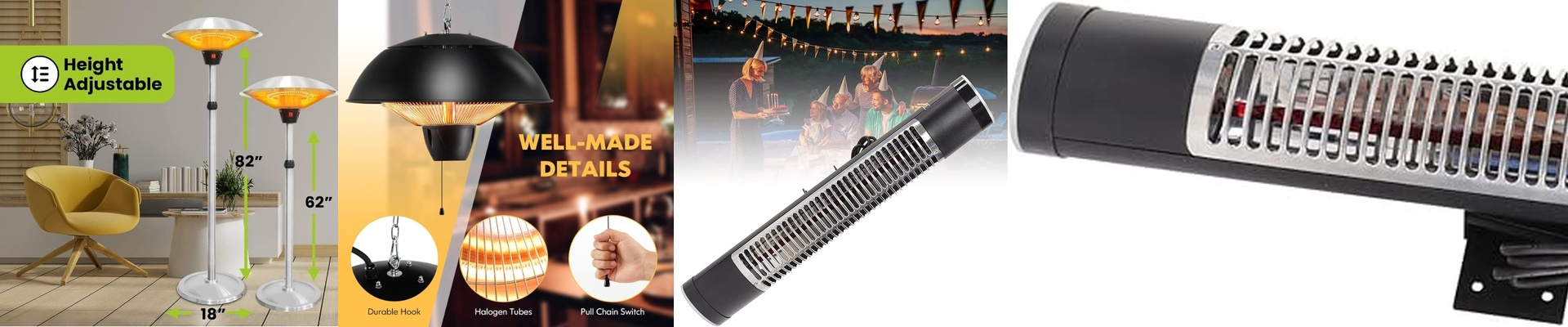
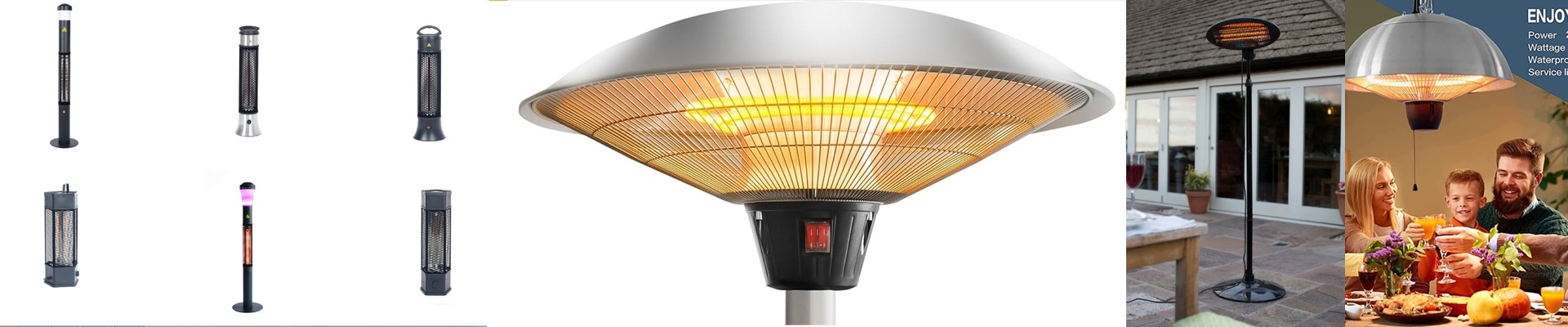
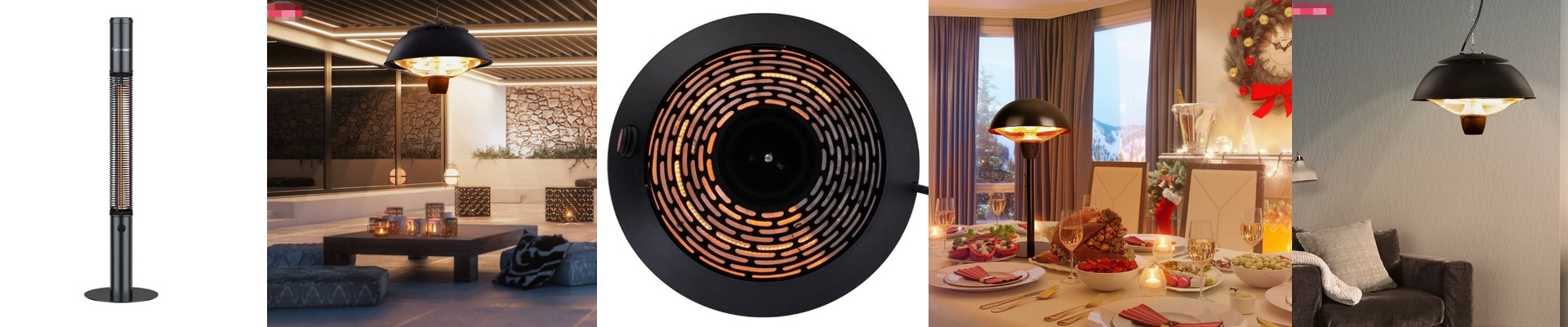
Ever been in a garage bay when the wind just slices right through your layers? Standard space heaters try to warm the whole room, but they end up wasting a ton of energy in the process. We built our industrial infrared heating lamps for that exact kind of misery. They’re not about warming the air. They’re about getting heat right where you need it. These are direct-radiant tools, made for one thing: keeping that engine bay warm so a mechanic can actually get their hands to work.
Power and Configuration: Getting to the Point
Here’s the thing about these heaters: the energy travels in a straight line. It doesn’t waste time heating the air. It goes straight for the objects and people in its path, concentrating the heat right in the workspace. We spec them at 400V to pack a serious punch in a small package. You get a huge amount of heat from a short tube—about 300mm long. That means you can mount the heater close to where you’re working without it eating up all your headroom. It’s all about getting a massive blast of heat into a tiny footprint.
Material and Design: The Details That Matter
Inside the quartz tube, we use a halogen element. It’s a smart design because the halogen cycles the tungsten back onto the filament. This keeps the output steady and makes the filament last way longer than a standard infrared bulb. And the quartz tube itself? It handles rapid heating and cooling without cracking under the pressure. For the base, we went with an R7s connector. It’s a standard, tough ceramic two-pin base. This makes the lamp a simple drop-in replacement for most industrial fixtures. It holds up to the vibration of the shop floor, and the wiring is straightforward.
Why It Works for a Mechanic
In a garage, the problem is always that one spot that’s freezing cold. The solution is heat that hits that spot, and nothing else. Mount one of these over a workstation, and it warms the mechanic, their tools, and the surface they’re working on. It keeps your joints loose and your gloves flexible, which makes all the difference when you’re making those fine, delicate adjustments. Now, the trade-off is that the surrounding area can still feel chilly. But that’s the whole point. You’re heating the task, not the entire building. It’s a focused approach that wastes less energy and keeps your work area functional, even when the drafts are howling.