

Stop Waiting for the Air to Heat Up: IR vs. Hot Air in Bio-Sensors
If you’ve spent any time in bio-sensor fabrication, you know the drill with thermal curing and dehydration. Most of the old-school lines rely on hot air. It’s basic convection: you heat the air, and then you hope that air heats your substrate. The problem? It’s slow. There’s this annoying lag where you’re just… waiting.
Cutting Out the Middleman
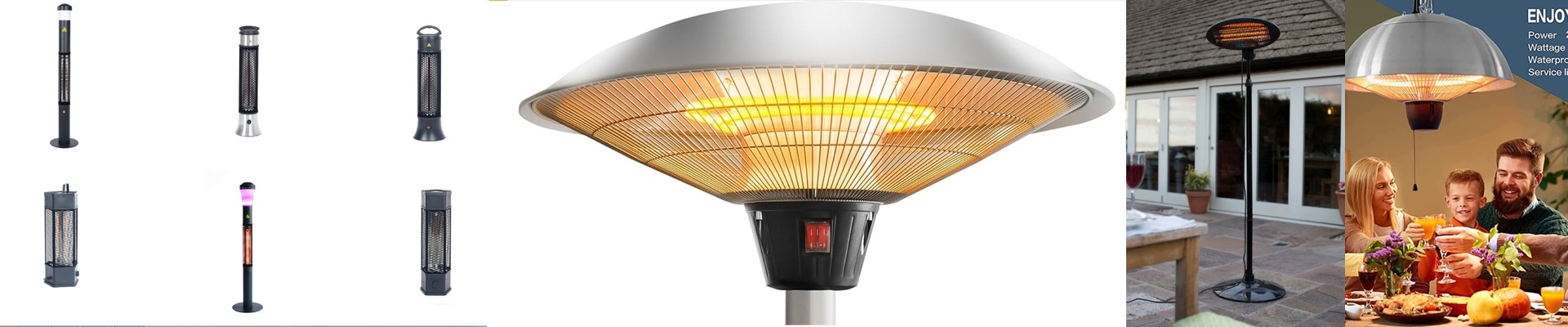
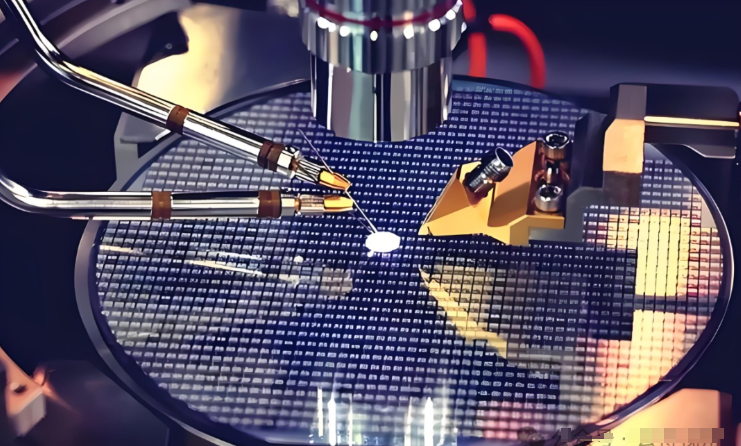
Infrared (IR) lamps change the math because they ditch the middleman entirely. Instead of heating the air around the part, IR energy hits the substrate directly. In the world of semiconductor processing, this is a huge win. We’re talking about ramp-up times dropping from minutes to seconds. It’s not just about “speed”—it’s about how much space you save. When you switch to IR, your entire thermal footprint shrinks. You don’t need a massive oven when the heat goes exactly where it needs to be.
The Catch (Because There’s Always One)
Now, IR isn’t a magic wand. It packs a punch, and that high heat density can be a bit scary if you aren’t careful. If your power settings are off or your distance is wrong, you can fry the surface of your bio-sensor in a heartbeat. Hot air is slower, sure, but it’s forgiving. IR doesn’t do “forgiving.” You need a tight feedback loop with pyrometers to make sure you aren’t burning your product. It takes more precision, but the payoff is worth it.
Why Everyone is Switching
For anyone doing high-volume fab, IR is basically the gold standard now. Think about it: hot air systems are basically giant heaters that leak warmth all over your factory floor. It’s wasteful. IR focuses everything right on the wafer. Plus, you get a cleaner process. Since you aren’t blowing air everywhere, you don’t have to worry as much about floating particles contaminating your sensors. If you’re trying to scale up production, you have two choices: buy miles of conveyor belts to give your hot air time to work, or just use IR. For most of us, the choice is pretty easy.