



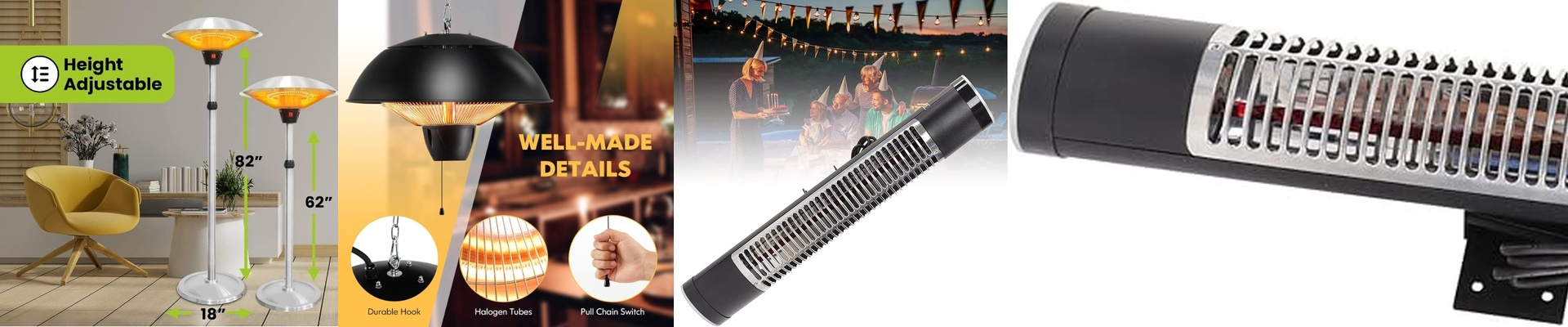

Cold attics aren’t just uncomfortable—they hold their chill. Conventional heaters push warm air upward, and it vanishes, leaving the floor cold and the space unusable. An attic space heater built around infrared technology flips the script. It warms people and surfaces directly, instead of chasing air currents. Here’s what matters under the hood. Infrared warmth starts with a quartz tube element that throws radiant heat immediately. No warm-up delay—you feel it within seconds. The beam travels straight and deposits energy where it lands: the floor, furniture, you. Because the heat is directional, you can mount the unit overhead or on a wall and still hit the occupancy zone, not the ceiling. Add a built-in thermostat and you get steady comfort, not wide temperature swings. For safety, the outer tube stays cool to the touch, and tip-over protection cuts power if the unit gets knocked off course. Attics are a tough layout. Steep slopes, exposed joists, and air that doesn’t circulate well. Radiant heat ignores drafts and warms the surfaces that actually make you feel cozy. That means you can turn an attic into a reading nook, a hobby workshop, or a quiet office without waiting for the whole volume to heat up. Energy use stays focused because the heater isn’t fighting stack effect—it’s delivering heat where you need it. In practice, the space feels inviting faster, with less noise and less dust moving around than you get with forced-air systems. Now, a few real-world details. Infrared works best when the path is clear. Keep the element unobstructed—don’t aim it straight at storage boxes or dense shelving. And remember, because radiant energy warms objects, walls and floors will absorb heat and re-radiate it. That’s comfortable, but it can feel different than air heating. Plan on a dedicated 120V or 240V circuit, depending on the model, and mount the unit so the beam covers the primary activity area. If the attic gets very humid, check the unit’s environment rating—dry, ventilated spaces are the sweet spot for long-term reliability.