

Stop Worrying About Your Bathroom Heater
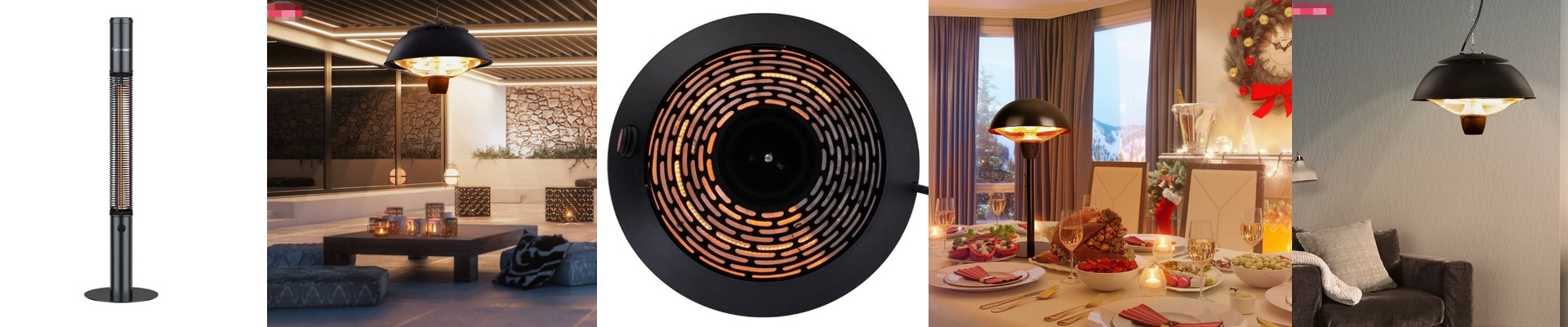
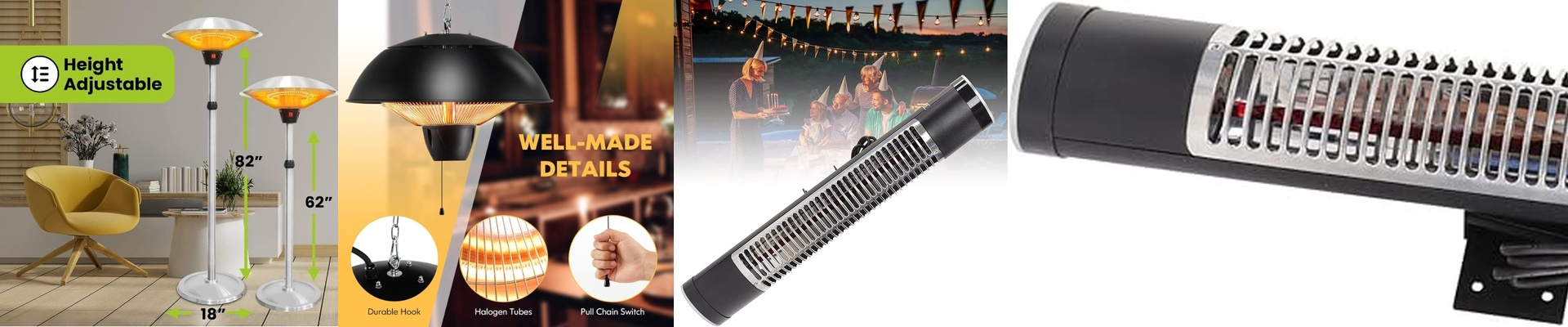
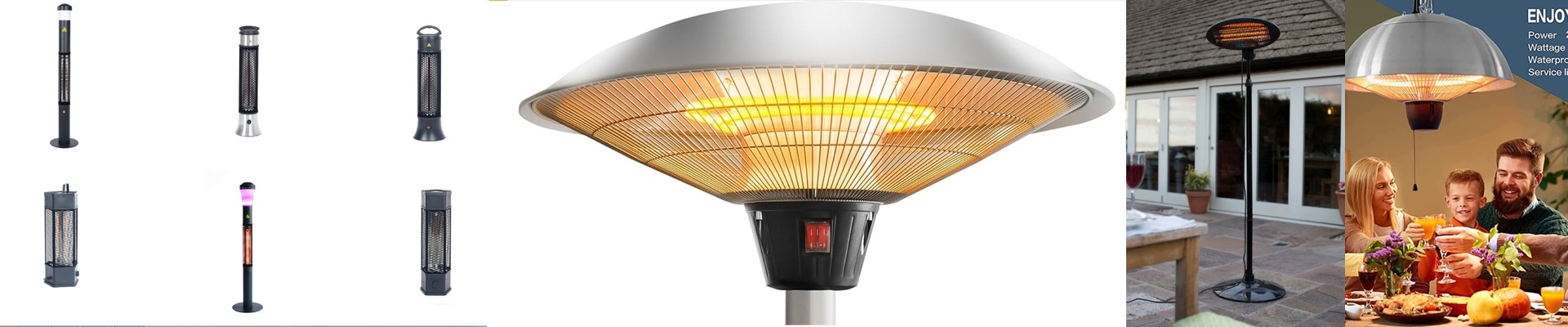
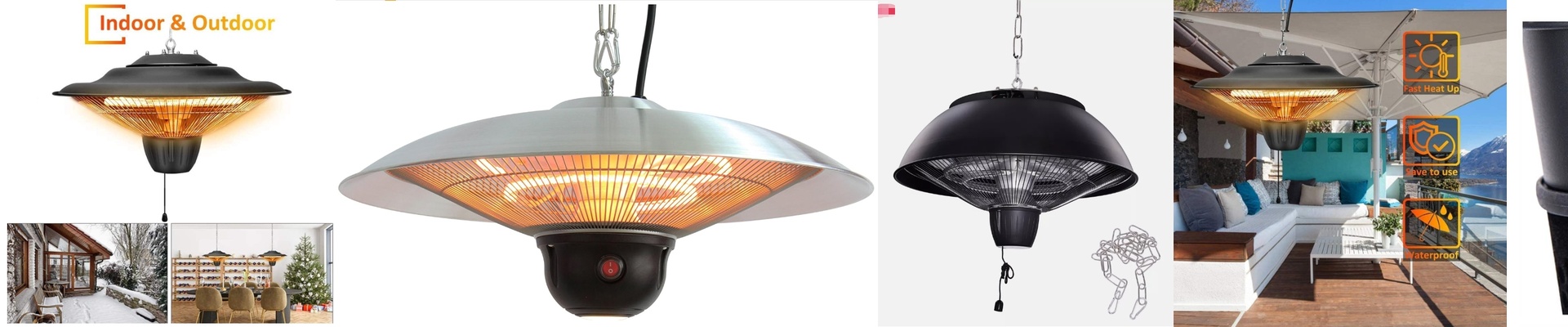
Putting a heater in a bathroom or a steamy room is basically a battle against two things: humidity and thermal shock. Most standard heaters just can’t handle it. They burn out, they short, or worse. That’s why we use IP55-rated housing and explosion-proof quartz tubes. It’s about stopping the failure before it even has a chance to happen. The deal with quartz Here is the thing about cheap infrared lamps: they use basic glass. Imagine a tube glowing at 600°C. Now imagine a single drop of cold shower water hitting it. Crack. Instant thermal stress. We use explosion-proof quartz because it doesn’t freak out when the temperature swings wildly. It keeps the heating filament safe and dry. And if the tube ever does give out? The internal pressure is managed so it doesn’t just burst. It’s a much safer way to stay warm. Keeping the water out You’ll see “IP55” on the spec sheet. In plain English, that means the unit is protected from dust and can handle water jets without breaking a sweat. But we don’t just slap some sealant on the edges and call it a day. We’ve isolated the wiring terminals. When the room gets thick with steam, that moisture wants to get inside and cause a short circuit. Our sealed system keeps the electrical guts bone-dry while letting those infrared waves pass right through the quartz to warm you up. A couple of things to keep in mind These units fit right into the spot where a standard heater would go, but they run hot. Really hot. Because the quartz tube packs so much heat into a small space, you can’t just cram it against the ceiling. You need a bit of a gap for airflow. If you squeeze it into a tight spot, the housing will overheat and the thermal cutout will trip. It’s a safety feature, but it’s a pain if you have to keep resetting it. We went with quartz over halogen or carbon fibers because it lasts longer and the heat feels “cleaner” in wet areas. Just a heads-up: make sure your circuit breaker can handle that initial surge when you flip the switch.