

Making Heat Smart (Without the Headache)
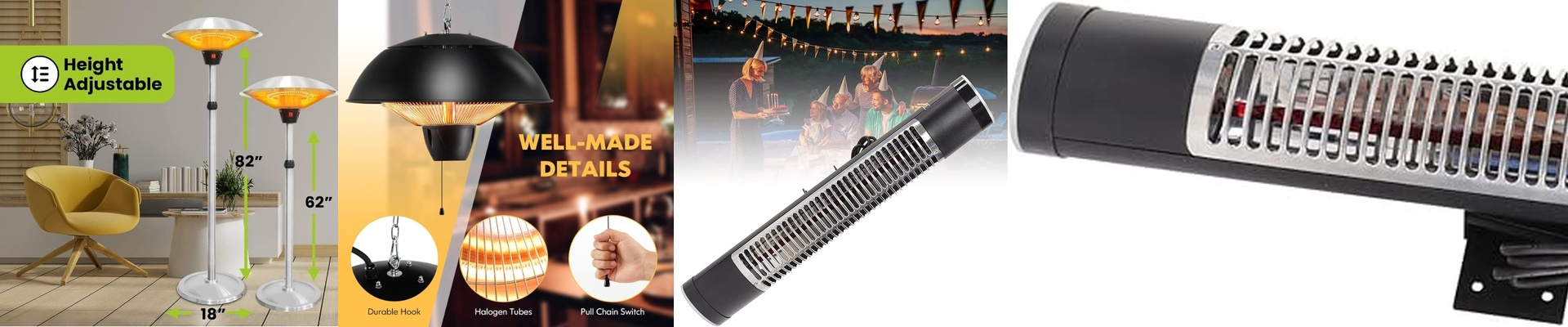
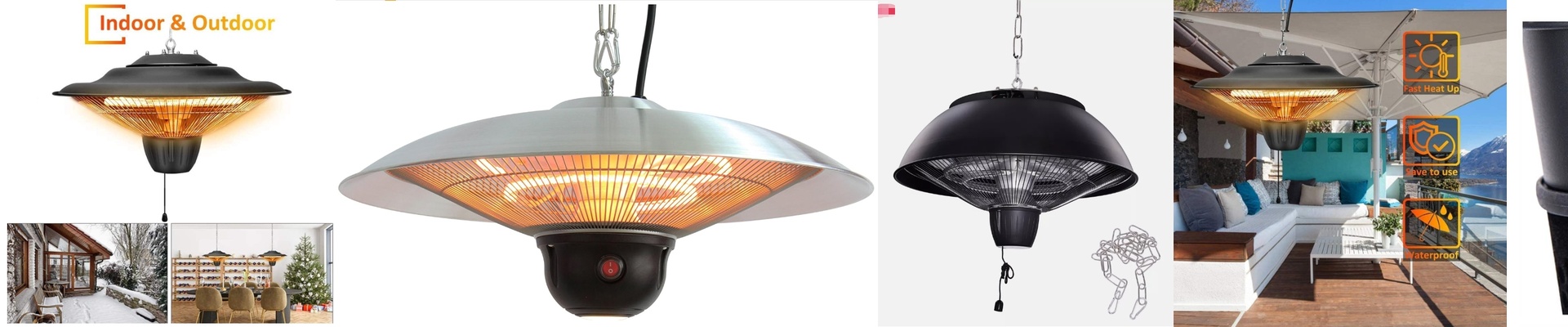
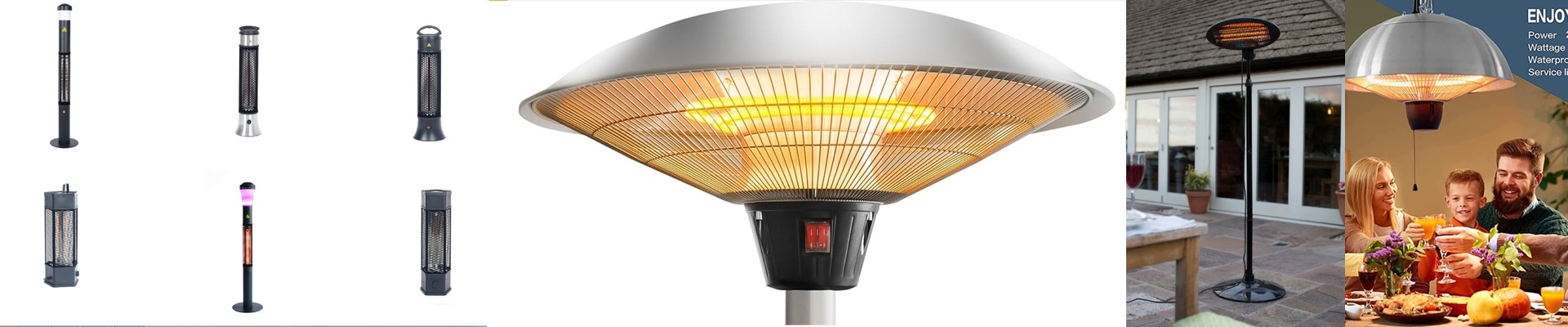
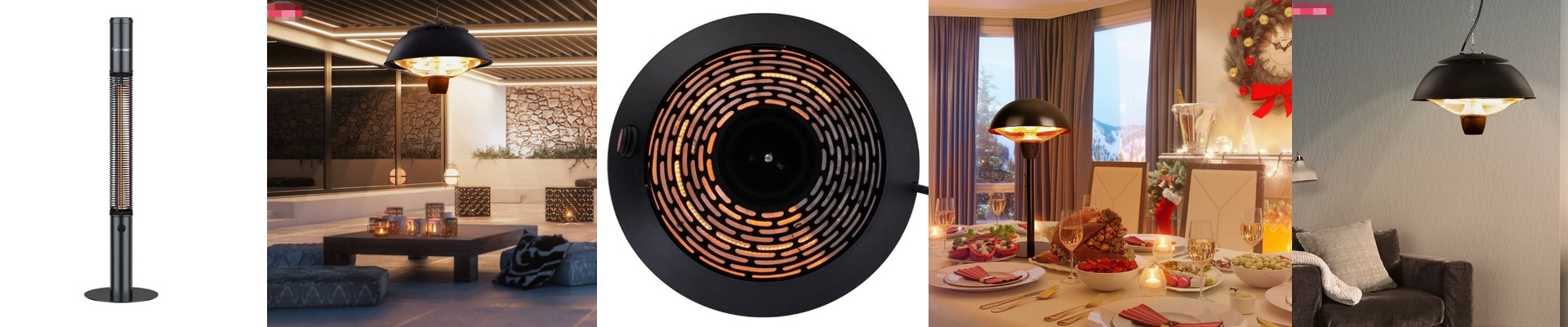
We wanted to build a waterproof infrared table heater that actually fits into a modern home. The idea is pretty straightforward: you shouldn’t have to fiddle with knobs or wait forever for a room to warm up. You just want to feel cozy the second you sit down.
Why infrared?
Most heaters try to warm up the air, which takes forever. These units are different. They use short-wave infrared radiation, which means the heat goes straight to you and whatever you’re touching. We use quartz elements because they’re fast. Really fast. While a big oil radiator is still waking up, these hit their peak temperature in seconds. If you’ve got a smart hub set up, you can trigger a “Winter to Spring” command and feel the warmth almost instantly. It’s a total shift in how you experience heat.
Keeping it dry and smart
Since these heaters usually live on tables—right next to coffee, water, or drinks—we made sure the housings are IP-rated. Basically, if someone spills a glass of water, you aren’t going to blow a fuse or start a fire. The “smart” part happens behind the scenes. We use Zigbee or Wi-Fi controllers that talk directly to the power stage. You can hook it up to a motion sensor so the heat kicks in the moment you walk in, or just set a schedule. Plus, the system keeps an eye on the current draw so the casing doesn’t get too hot.
The catch (and how to fix it)
Here’s the thing: instant heat requires a lot of juice. When a high-wattage element flips on, it creates a huge power spike. This is where people usually mess up. If you use a cheap, generic smart plug, it’ll probably burn out under the load of a 1500W element. You have to make sure your relay or plug is actually rated for the amperage you’re pushing through it. We focused on two things: a small footprint and a fast response. By pairing a waterproof shell with a quick smart trigger, you get a heater that’s just there when you need it. No waiting for air to circulate. Just immediate, direct warmth.