
Making Your Outdoor Heaters Actually Smart
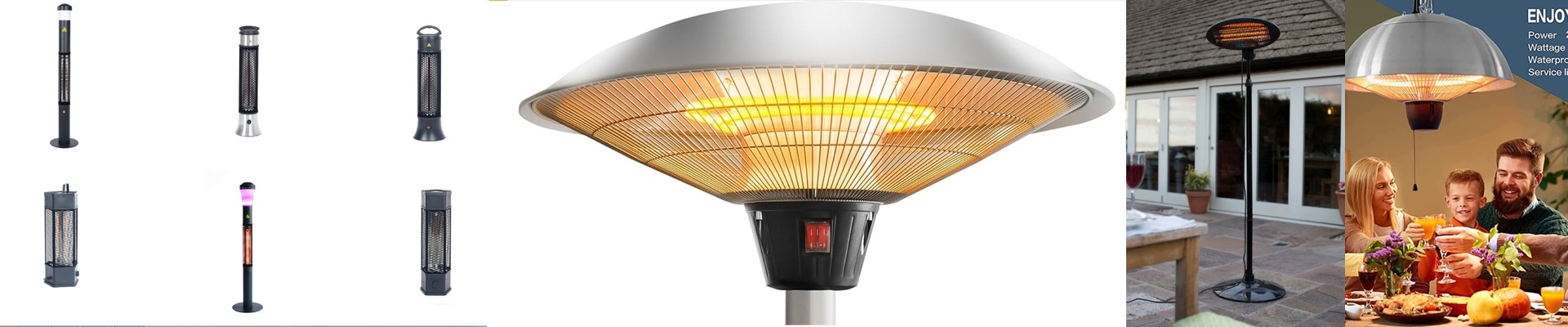
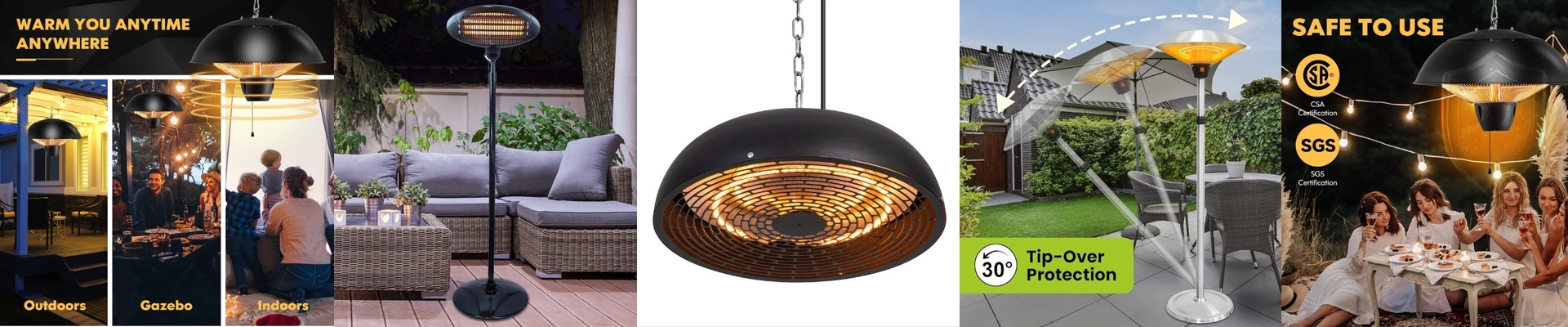
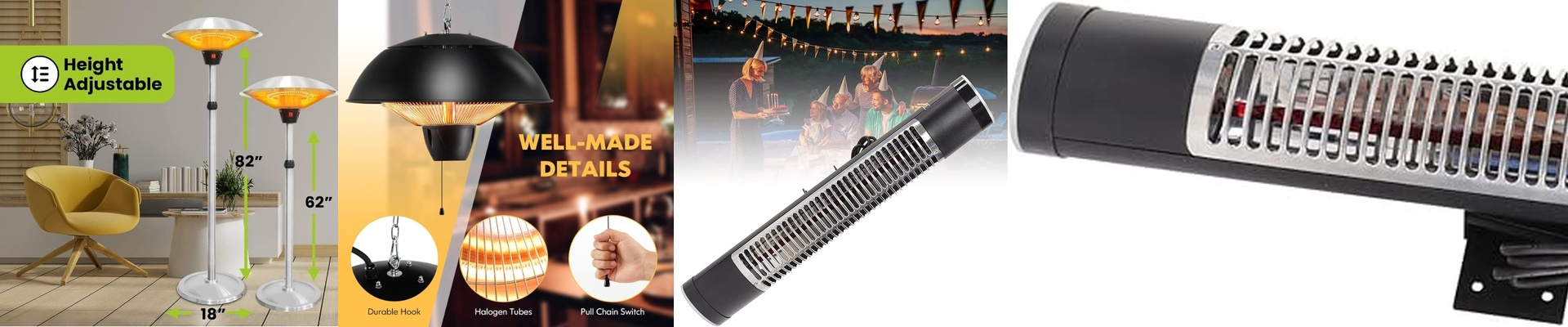
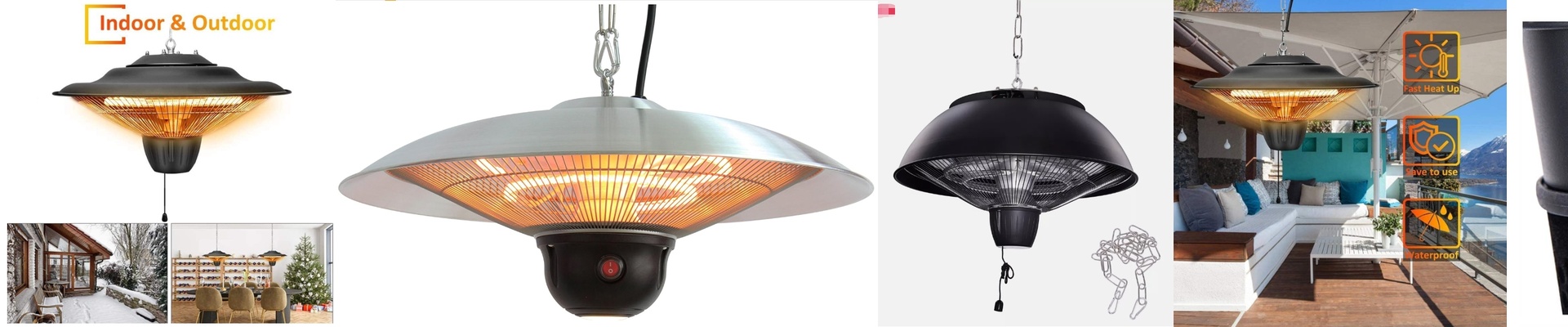
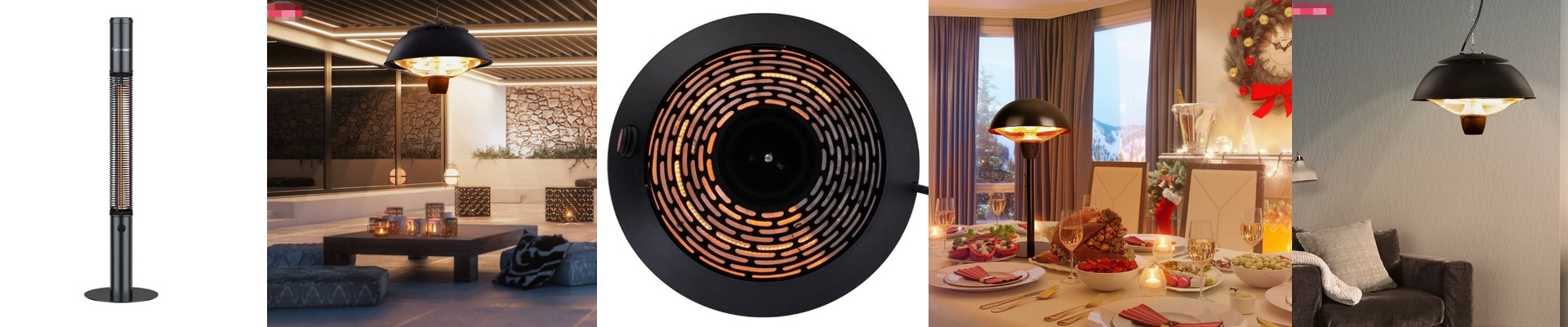
If you’ve ever tried to warm up a patio in the middle of November, you know the struggle. Trying to heat the actual air outside is a losing battle—the wind just carries it all away. That’s why we stick with infrared. It doesn’t bother with the air; it just beams heat directly onto you and your guests. It feels like standing in a patch of sunlight on a cold day. But flipping a manual switch every time you step outside is a pain. That’s where the smart home stuff comes in.
The Gear Under the Hood
To get a heavy-duty heater to talk to your phone, you need a bridge. We’re talking about a relay—basically a smart switch—tucked inside a waterproof box (look for IP65 ratings) so a bit of rain doesn’t fry your electronics. The setup is pretty straightforward. The heater connects to your hub via Wi-Fi, Zigbee, or Matter. So, when you tap “Winter Mode” on your app, the hub tells the relay to snap shut. And the best part? There’s no waiting around for a coil to glow. It’s instant. You hit the button, and boom—you’re warm.
A Word of Caution on Power
Here is the thing: these heaters are power-hungry. A few 2000W lamps pull a massive amount of current. If you try to cram too many of them onto one smart circuit, you’re going to trip your breaker or, worse, melt your relay contacts. It’s not worth the risk. I always suggest running dedicated circuits for your outdoor heating zones. It’s a bit more work upfront, but it saves you from a headache later.
Why You Still Need a “Dumb” Switch
I love automation, but I don’t trust software with my life. Smart apps are great for convenience, but they can glitch. That’s why we still install physical thermal cut-off switches. If a sensor fails and the heater stays on too long near a wooden deck or a curtain, the hardware needs to be able to kill the power instantly. Software handles the comfort, but hard-wired safety keeps the house from burning down. Simple as that.