


The lights drop, the screen lights up, and your home theater is dialed in for a truly immersive movie night. Then the forced-air heat kicks on, and that soft rush of air steals the moment. Dialogue gets harder to pick up, and the quiet tension on screen gets lost under the background noise.
What matters, technically
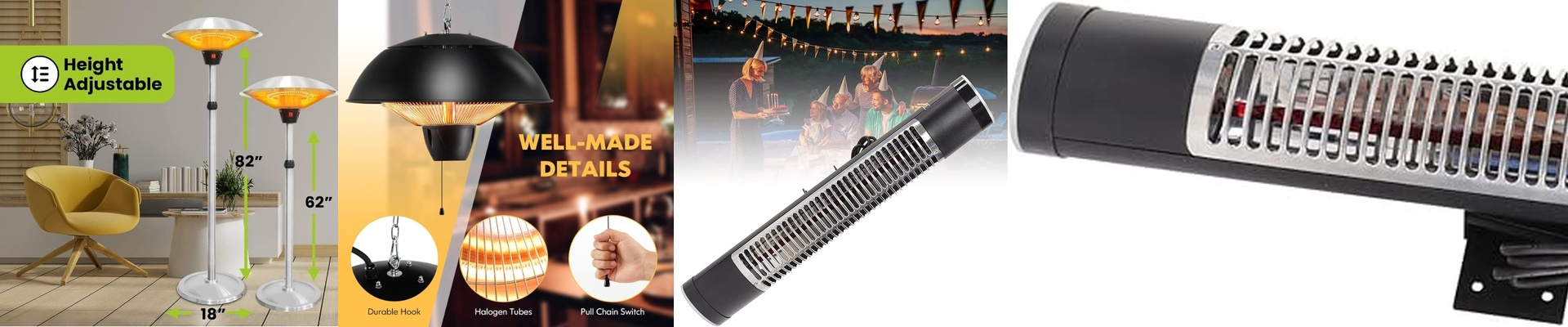
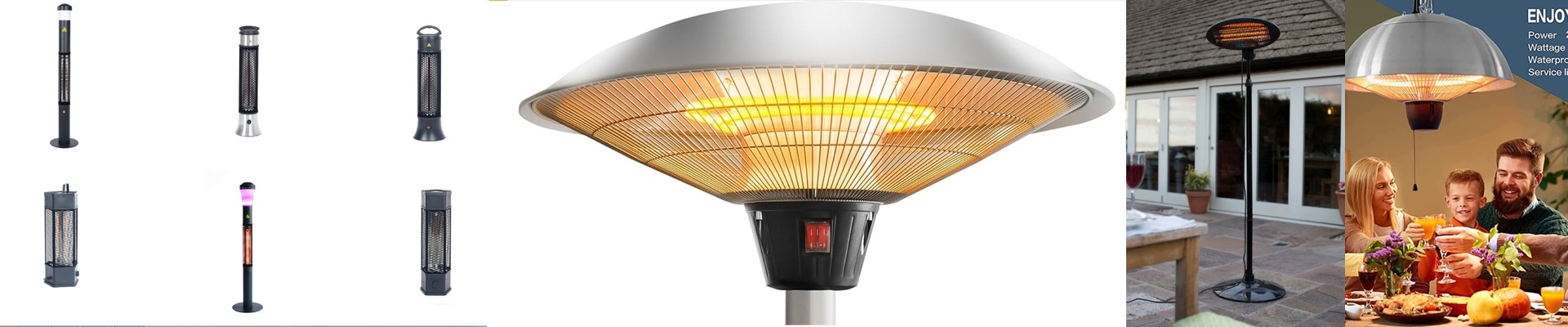
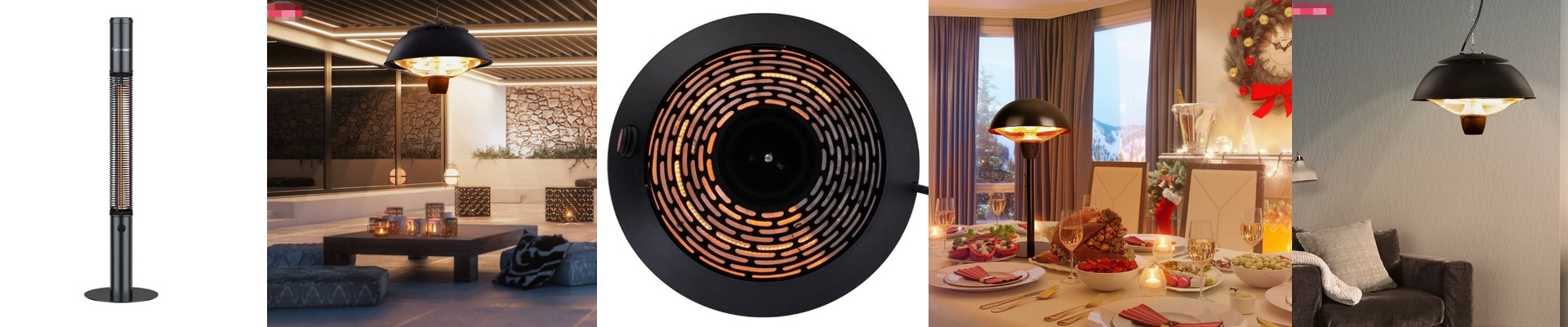
We built this modern electric heater around infrared radiant heat. Inside, a carbon fiber element sits in a sealed quartz tube. Heat moves outward as light, warming people and objects directly instead of heating the air first. That means warmth arrives fast—no blower, no fan noise. A built-in thermostat gives you precise control, and tip-over protection adds a practical safety layer. Plug it into a standard outlet, it draws 1500W, and delivers focused warmth in a compact footprint. Place it, plug it in, and you’re set.
Why it works in a home theater
Home theaters live or die on atmosphere. With zero fan noise, an infrared heater keeps the room quiet enough for delicate soundtracks and whisper-level dialogue. You feel cozy within seconds, and the warmth holds steady without drafts stirring the air—no screen glare, no temperature swings, no distractions. Because the heat targets people and surfaces first, you can keep the room comfortable at a lower ambient setting. That often helps keep energy use in check, too.
Things to keep in mind
Infrared heat is directional. Position the heater so it reaches the main seating area, and don’t block the beam. It’s designed for indoor use and needs clear clearances—keep it away from curtains, furniture, and any flammable materials. If your space is open or very large, you may want a second unit, or a complementary heating approach, to keep every seat comfortably warm.