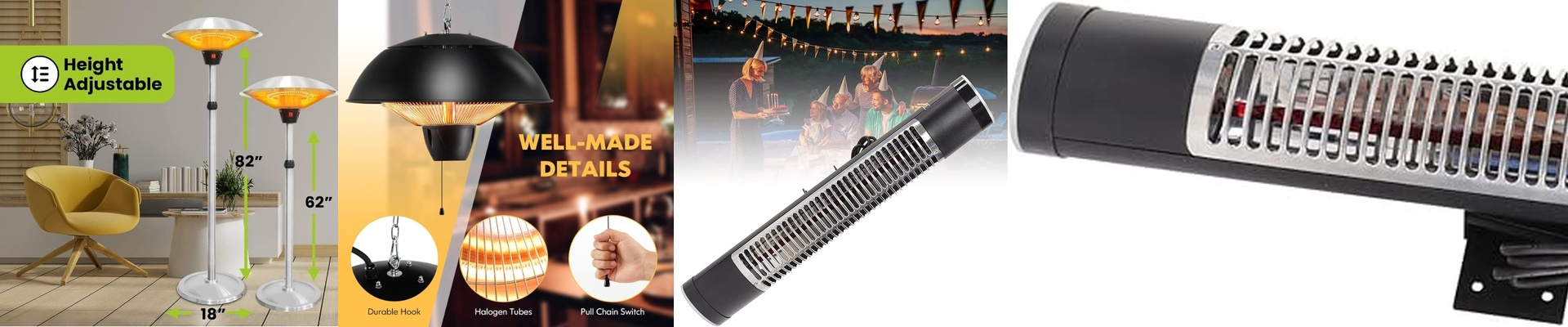
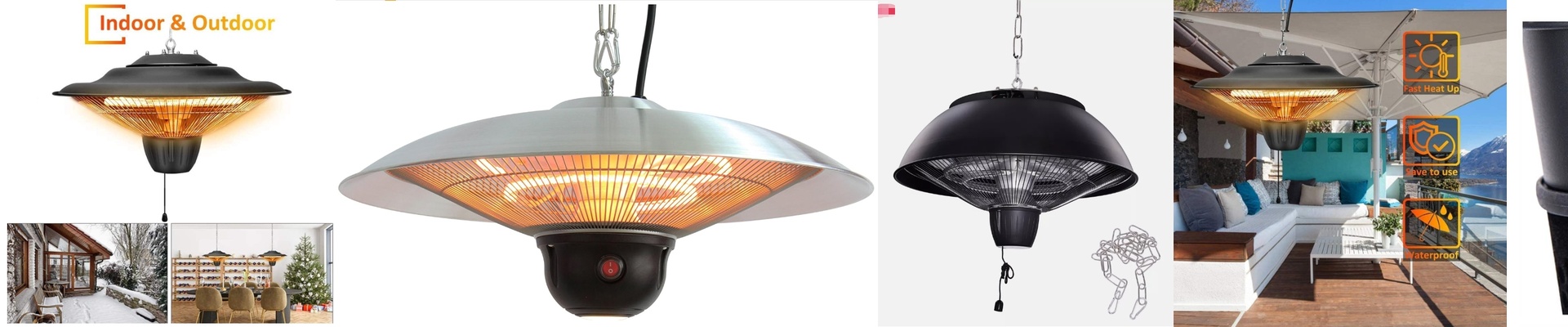
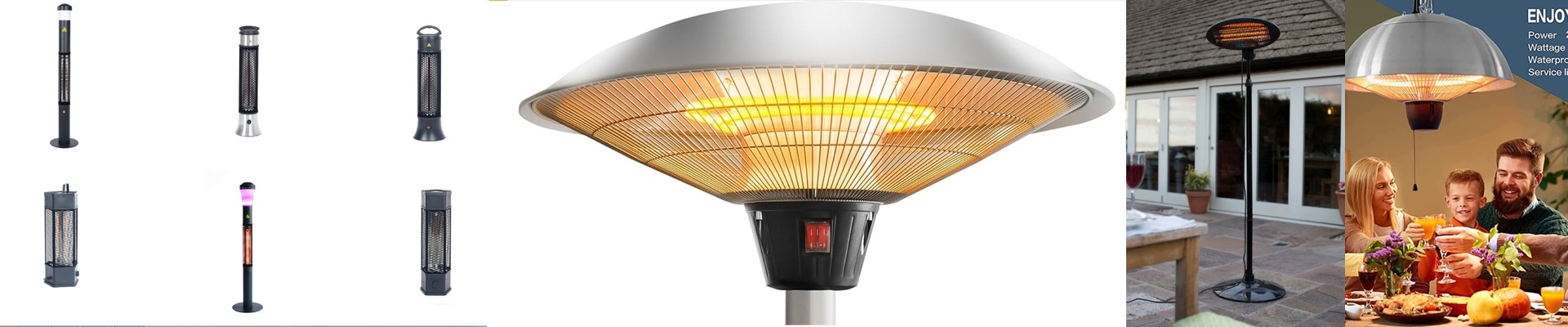
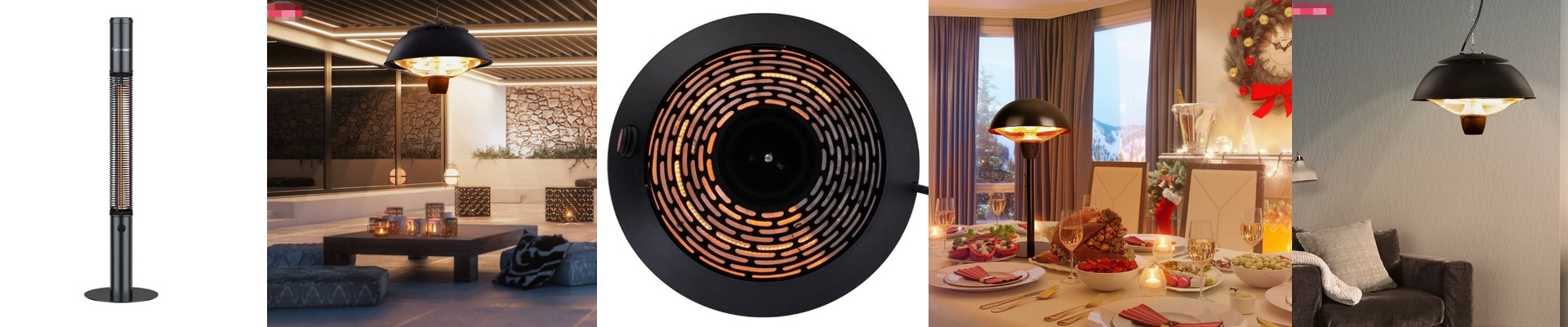


When winter hits, you feel it first in your hands and feet. For older adults, that deep chill isn’t just annoying—it’s a daily reminder that circulation needs a little help. An infrared heater in the elder’s room delivers a different kind of warmth. It isn’t about cranking the air temperature. It’s about warming the person.
What’s actually going on, technically
Infrared heaters put out radiant heat, the same way the sun does. People and objects in the path warm directly. In practice, that means you feel it almost immediately, without waiting around for a convection heater to get the room moving. Our unit uses a carbon fiber element that produces medium-wave infrared. That spectrum penetrates the skin surface comfortably. The energy transfer warms the body from the outside in, which supports better peripheral circulation. No fan means it runs quietly and doesn’t blow dust around. A built-in thermostat keeps the heat steady—no drafts.
Why this works for seniors
For anyone dealing with cold extremities, the payoff shows up in two ways. The radiant heat gives quick relief, taking the edge off that stubborn, deep chill. And the gentle warmth helps muscles relax and supports microcirculation, making it easier for blood to reach hands and feet. That translates to a steadier, more comfortable feeling through the day, without the abrupt temperature swings you get with forced-air systems. It’s a simple, targeted approach that fits right in—living rooms, bedrooms, reading corners.
The practical stuff you need to know
Infrared heating does its best work when the heater faces the person, typically 3 to 6 feet away, depending on the model’s wattage. Because it warms people directly, you don’t have to heat the whole room to feel comfortable, which can help with energy use. Keep the unit on a stable, level surface, and respect the clearances from curtains and furniture. The exterior stays cooler than many convection heaters, but it still gets warm. Place it where curious hands won’t reach it.