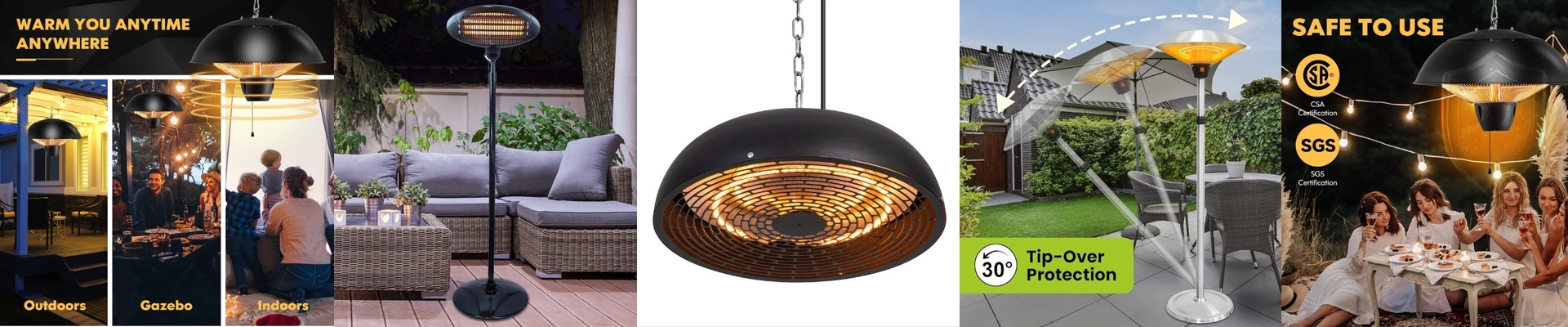
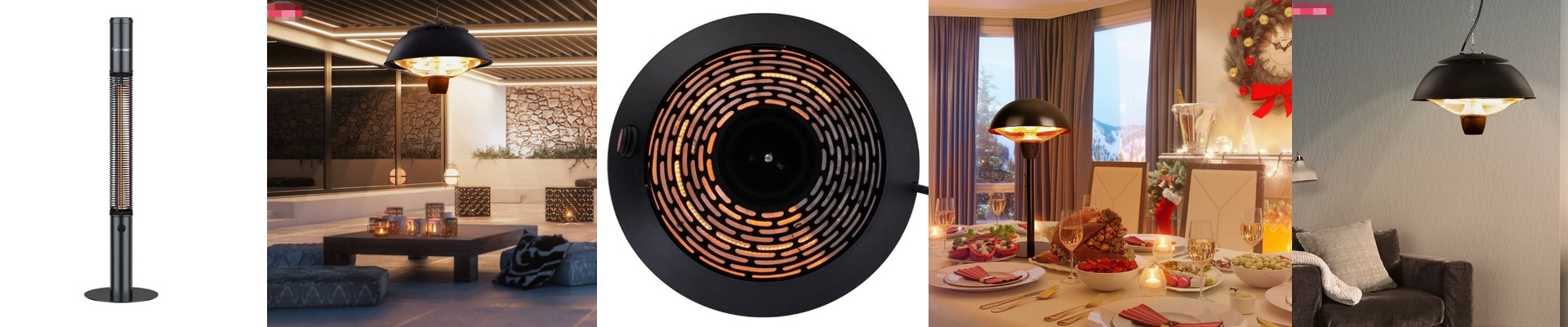
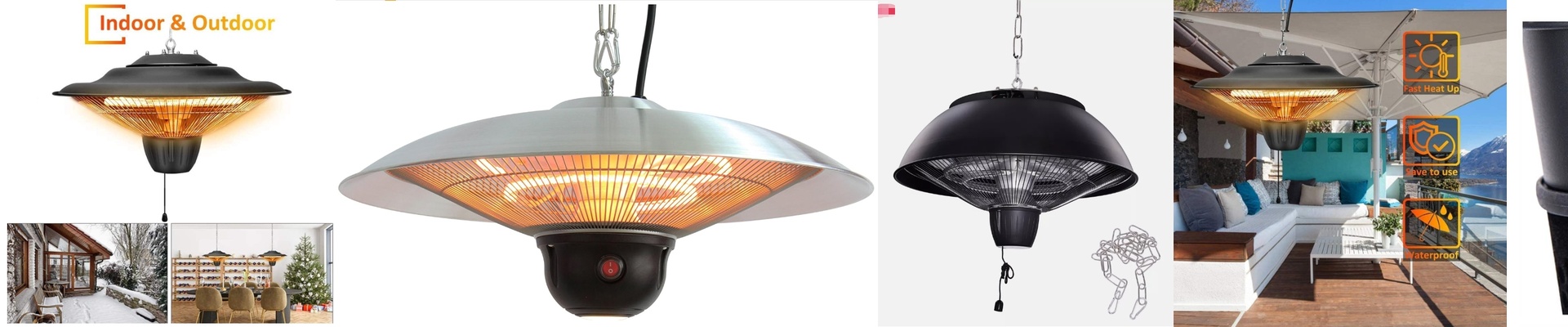
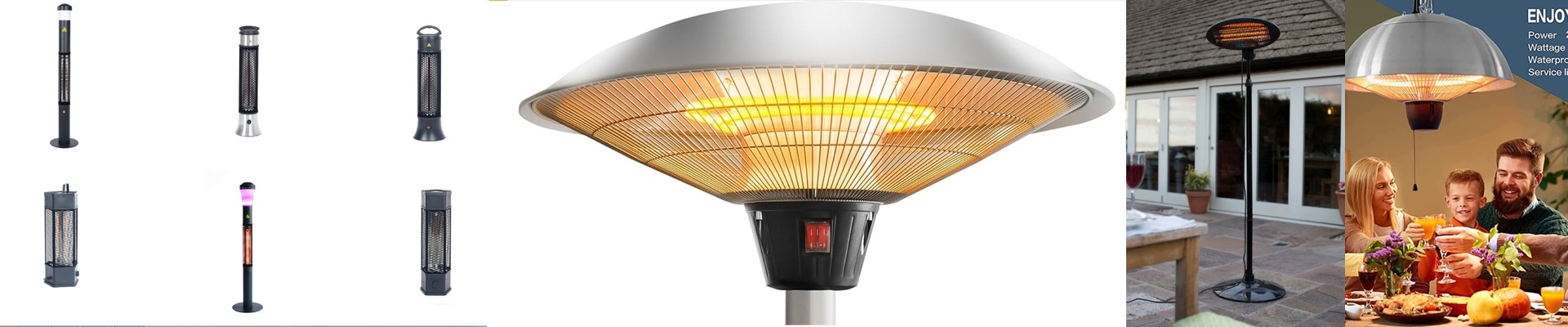
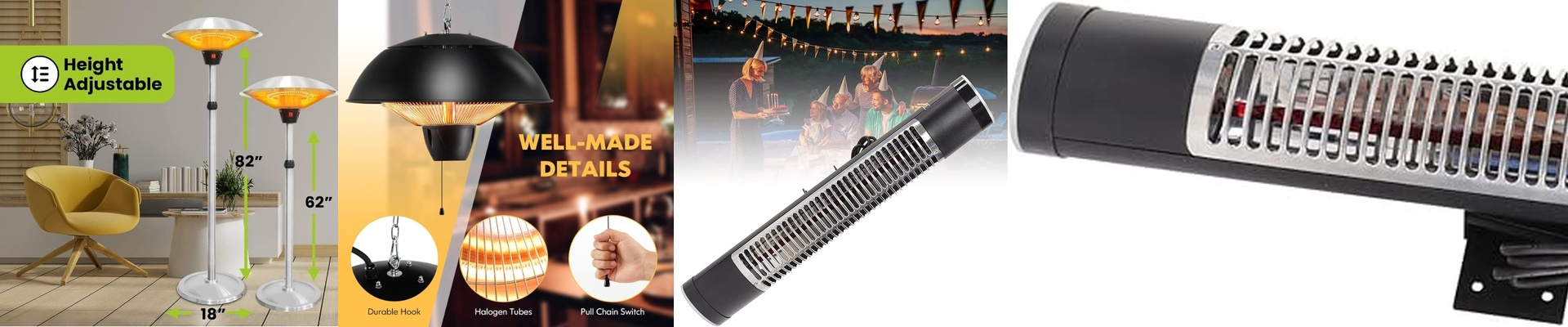

On a damp evening, you don’t need a heater that starts hesitating the moment the air turns sharp. Infrared warmth hits fast, but it only stays dependable when the wiring inside can take the heat—again and again. That’s why lead-seal engineering matters. On a lot of consumer heaters, the power lead exit is the weak point. Thermal cycling—heat-up, cool-down, day after day—can crack the insulation and let moisture work its way in. Over time, that path starts to develop high resistance, then you get intermittent contact, and before long it’s nuisance trips—or worse.
What actually matters under the hood
We built our Bluetooth electric heater around a sealed lead passage that treats the conductor as a continuous run, not a fragile joint. At the core is an infrared emitter specced for outdoor use, paired with a solid junction box and a high-temperature rated grommet. The lead is strain-relieved and locked to a defined bend radius, so tension doesn’t keep chewing at the seal. Inside, the circuit has over-temperature sensing and tip-over protection, and the housing is rated for outdoor exposure. Bluetooth control keeps it straightforward: power, timer, and heat levels from your phone, so you don’t have to reach into the wind or rain.
Why this approach fits outdoor living
Outdoor evenings are about momentum—you want warmth that shows up quickly, feels even, and keeps going. Infrared delivers that direct, body-facing radiant heat, and the sealed lead design keeps the electrical side steady through temperature swings. The payoff is fewer surprise shutdowns, more consistent performance across seasons, and a cleaner setup on the patio, deck, or covered porch. You end up with a heat source that keeps pace with your evening, not a unit that needs constant babysitting.
The details that keep it trouble-free
Bluetooth range depends on the environment—walls, foliage, and other signals can cut reach. Keep the heater within a reasonable distance from your phone, and lean on the app for timers instead of trying to adjust from far away. Place the unit on a stable, level surface, and keep the outlet and cord clear of water and foot traffic. The sealed lead is built to resist heat and moisture, but like any outdoor electrical connection, it still needs common-sense protection from standing water.