


Why Gold-Coated Reflectors Actually Matter
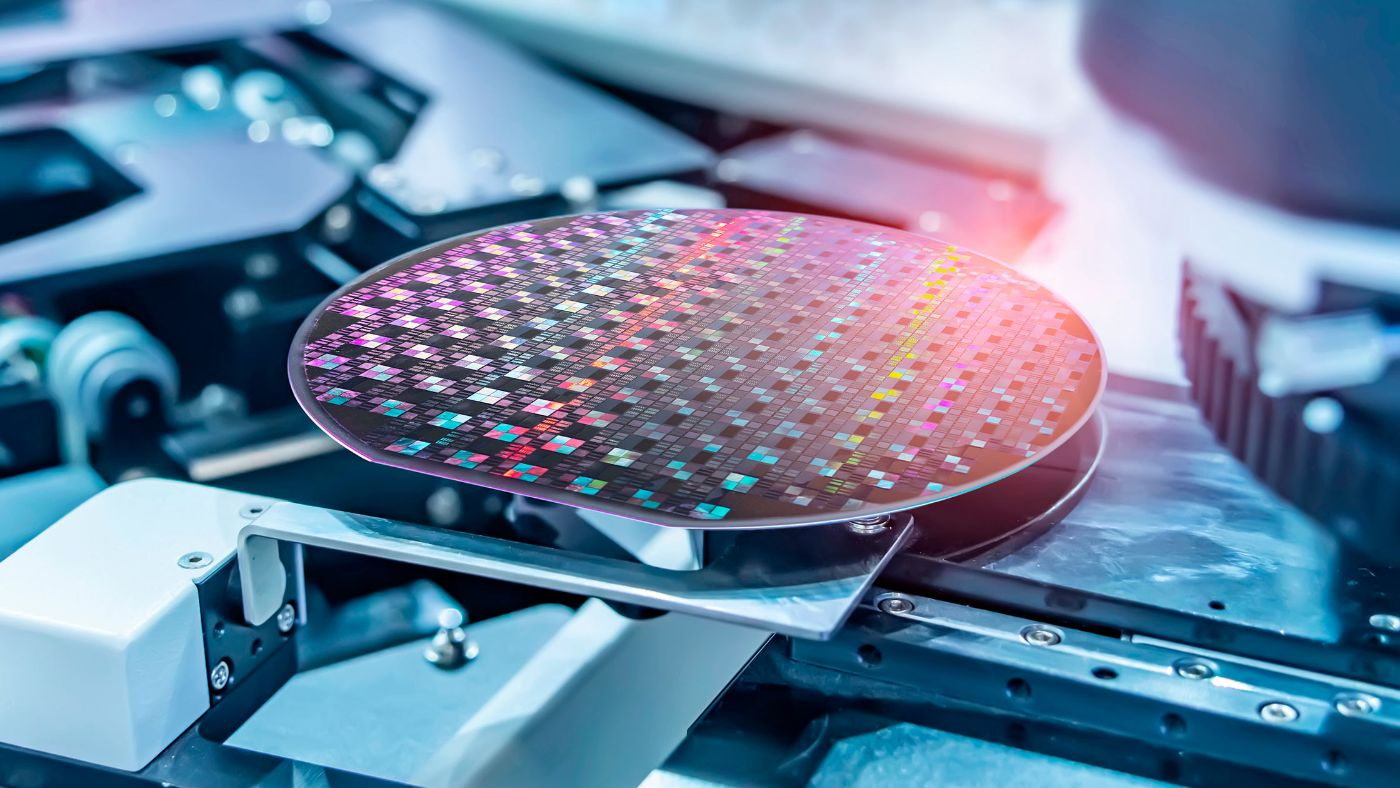
When you’re heating silicon wafers, every bit of wasted energy is basically money disappearing into thin air. Most standard reflectors are a bit leaky. They let too much heat bleed into the machine chassis, which is a waste. That’s why we go with gold. Gold is incredible at bouncing Infrared radiation. Instead of the heat soaking into the housing, it gets pushed right back onto the wafer where it belongs.
The deal with gold vs. aluminum
You’ll see a lot of aluminum out there. It’s common, but it just doesn’t handle the IR spectrum as well as gold does. We put a thin layer of gold on the surface to keep absorption to a minimum. The goal here is simple: we want every single watt the bulb pulls to head straight down. It gives you a tighter focal point and spreads the heat evenly. No more worrying about those annoying hot spots that warp your substrate.
Pushing the heat flux
We build these bulbs for high-intensity work. By pairing a short-wave IR source with that gold plating, you can hammer the target with more energy in less time. It’s great for your cycle times.Really great. But there is a catch. All that energy density puts a lot of stress on your cooling manifolds. If your cooling system isn’t ready for that kind of reflected heat, your ambient temperatures are going to spike. Just something to keep an eye on.
Keeping things running
We made these easy to swap. Whether you’re dealing with R7s or some other specialized connector, it’s a drop-in replacement. You shouldn’t have to spend your whole afternoon recalibrating the entire line just to change a part. One big tip:Keep those gold surfaces clean. A few fingerprints or a layer of dust can create “dark spots” in your radiation pattern. Grab a lint-free cloth and some approved solvents to keep it shiny. If the coating starts to peel or oxidize, your efficiency tanks. You’ll end up cranking the voltage to make up for it, and that’s a fast track to killing your bulbs.