



Stop Fighting Bathroom Mold With Just a Fan
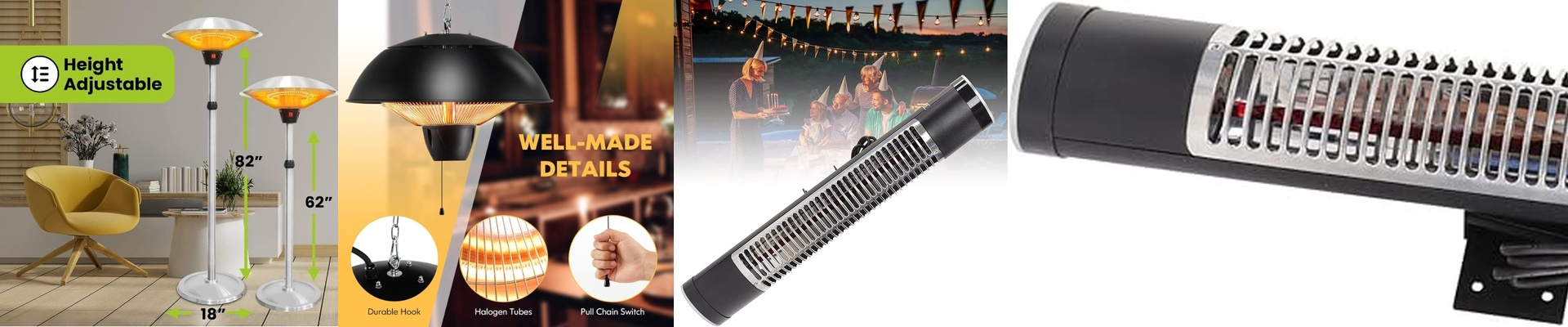
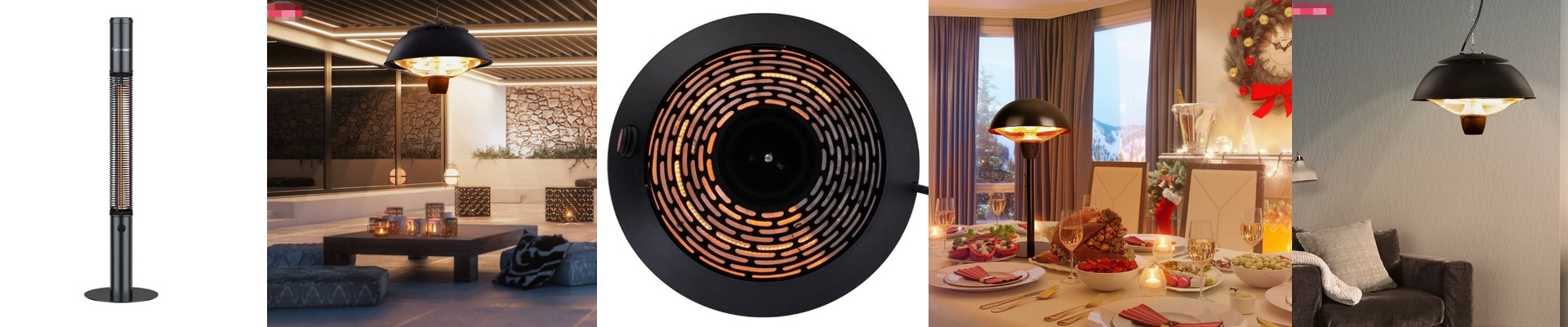
Most people see those infrared lamps in the bathroom and think, “Oh, it’s just a heater to keep me warm while I’m in a towel.” But there’s a much cooler reason to have them. If you’ve ever dealt with that stubborn, gross mold creeping into your grout, you know the struggle. It turns out these lamps are actually secret weapons for keeping your walls bone-dry.
How it actually works
Here is the thing: normal heaters just warm up the air. But air is flimsy. The walls stay cold, moisture clings to them, and that’s exactly where mold loves to move in. Infrared is different. It doesn’t mess around with the air; it shoots heat directly into the walls and ceiling. By keeping the actual surface of the wall warm, water can’t settle. No condensation. No damp spots. No food for mold spores. If you go with a unit that’s too weak, you’ll feel a bit of warmth in the air, but your walls will stay chilly. That’s a recipe for disaster. You need that direct, punchy energy to keep the substrate dry.
Drying out the room
You know those tiny droplets that linger on your tiles and grout after a shower? Infrared helps those vanish. It basically shakes the water molecules loose, turning that liquid film back into vapor. Once it’s a gas, your exhaust fan can actually do its job and pull the moisture out of the room instead of letting it soak into your walls.
A few things to watch out for
It’s not all plug-and-play, though. You have to be smart about where you put them. These lamps gethot. Really hot. If you mount one too close to a plastic fixture or some cheap PVC piping, you’re going to see things warp or melt. Give yourself at least 1.5 meters of breathing room from anything that can’t handle the heat. And for the love of everything, check your wiring. These things hit full power the second you flip the switch. If your circuit isn’t built for that sudden surge, you’ll be staring at a tripped breaker before you even get your robe on.