

Keeping Things Safe When Cleaning CNTs
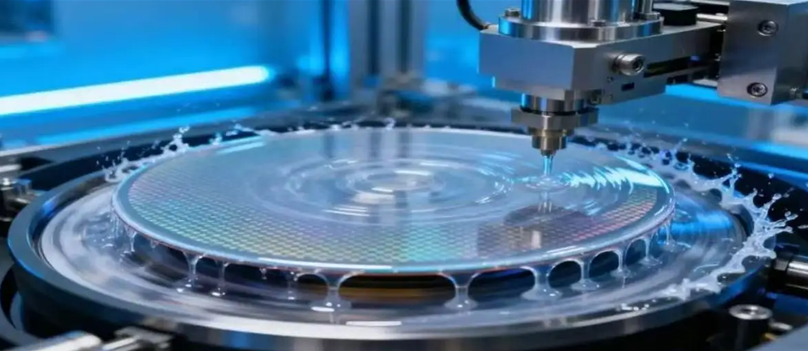
When you’re working with carbon nanotubes (CNTs), getting the temperature just right during chemical cleaning is everything. But here’s the problem: if you’re dealing with flammable or explosive vapors, a standard infrared lamp is basically a ticking time bomb. One tiny spark or a hot spot on the quartz, and you’ve got a flash fire on your hands. Not a great day at the office.
How we handle the “Boom” factor
We decided to stop using exposed lamps altogether. Instead, we seal and wrap the heating element so it never actually touches the air around it. Think of it as a protective shell. We put the quartz tube inside a housing that’s built to withstand chemicals and explosions. This creates a hard physical wall between those volatile organic compounds (VOCs) and the scorching hot surface of the lamp. The seal is where the real magic happens. We use heavy-duty gaskets and airtight fittings because if a little vapor leaks into the chamber, the whole setup is useless.**Check your seals every single time you do maintenance.**No shortcuts here.
Staying cool under pressure
Safety isn’t just about the seal; it’s about managing the heat. We carefully tune the power density so the outer shell doesn’t get too hot. By keeping a close eye on the wattage per centimeter, we make sure the “skin” of the enclosure stays well below the temperature that would ignite your cleaning agents. And we don’t use cheap materials. Standard plastics would just melt or crack under these conditions. We stick to reinforced alloys and specialized glass that can actually take the abuse of harsh chemical fumes.
The trade-off
Now, there is a catch. Putting the lamp in a box means some of that infrared heat gets blocked. You lose a bit of that direct “punch” you get from a bare lamp. To fix that, you’ll probably need to crank up the power or move the heater a bit closer to your substrate to hit your target temp. Just a heads-up: make sure your power supply can handle the extra load before you flip the switch.