

Keeping Your MEMS Wafers Spotless During Drying
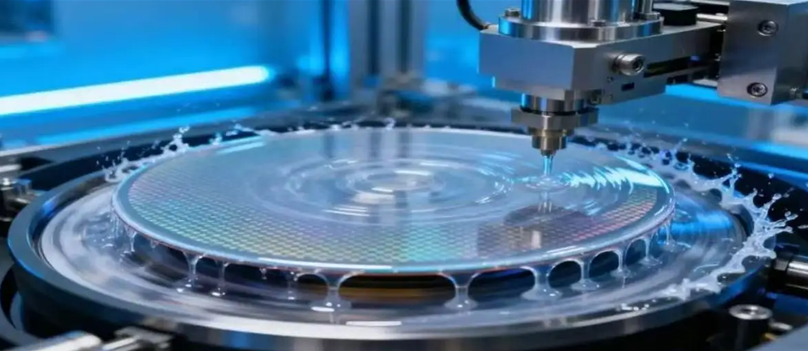
If you’re running a Class 100 cleanroom, you already know the nightmare: one tiny speck of dust or a stray chemical vapor, and your whole batch is trash. The problem is that most heating elements are actually pretty dirty. When they heat up, they tend to shed microscopic flakes or leak volatile organic compounds (VOCs) right onto your work. It’s a disaster waiting to happen. That’s why we stick with high-purity synthetic quartz IR lamps. They just don’t do that.
Why we use pure quartz
We use fused silica because it’s tough. Standard glass or cheap quartz tends to flake or break down when things get hot. This stuff doesn’t. The best part? The IR radiation goes straight through the liquid film on the wafer. It evaporates the moisture fast, and since nothing ever actually touches the wafer, you don’t have to worry about scratches or surface gunk.
Getting the heat just right
We focus on shortwave IR here. It hits the wafer surface almost instantly. It’s fast. Really fast. And that matters because if the solvent takes too long to evaporate, you get water spots. We spend a lot of time tuning the wattage and voltage so the heat is even across the whole wafer. Just a heads-up: if you crank the power to speed things up, make sure your substrate holder can handle the heat. Otherwise, you’re looking at a warped wafer.
Fitting it all in
We keep the design lean. No bulky housings that act like dust traps. The connections are minimal, which means fewer things to break. We also use specific seals so no particles leak from the electrical ends into the heating zone. One last tip: these lamps run hot. We suggest a dedicated cooling loop for the ends of the lamps. It keeps the sockets from frying during those long production runs.