

Stop using light-bulbs to heat your bathroom
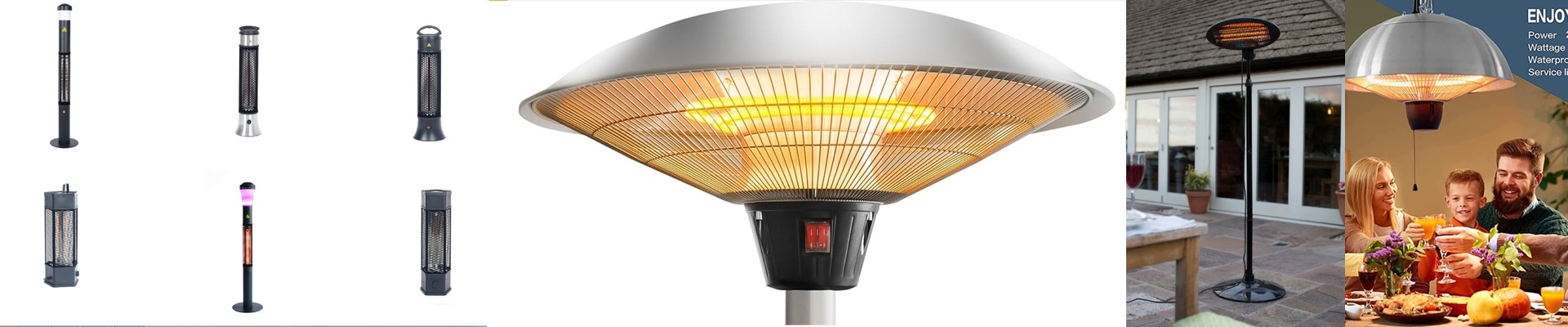
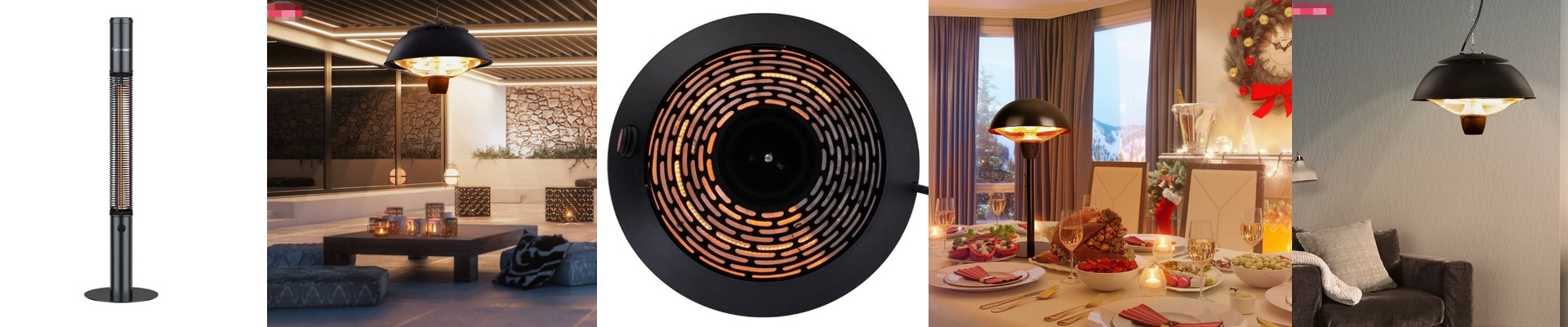
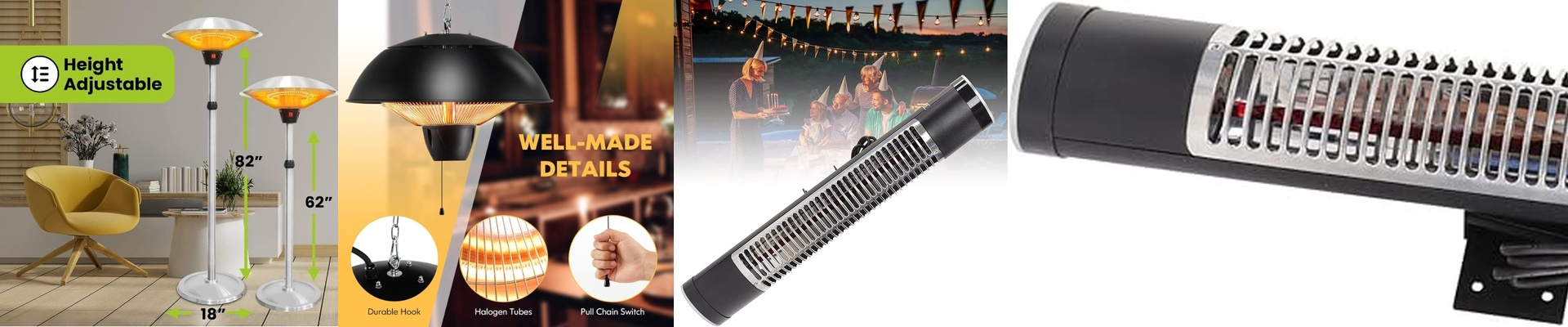
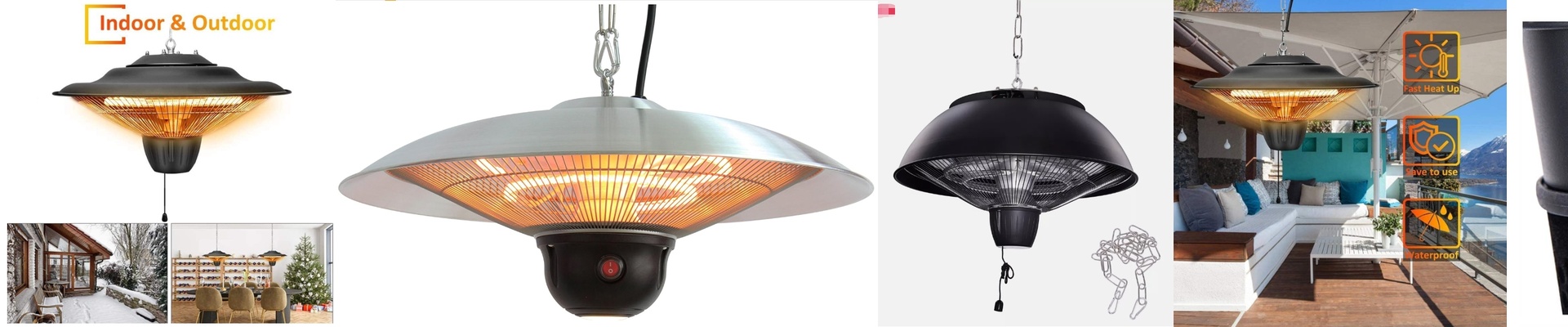
Ever notice how those old-school “warmers” in bathrooms always seem to give up right when you need them? It’s because they aren’t actually built for the steam. When you’ve got a hot shower going, the air gets heavy. Moisture creeps into the housing, fries the filament, or—worst case—trips your breaker and leaves you shivering in the dark. That’s why we’ve moved toward IP65-rated infrared heaters. Now, “IP65” sounds like a serial number, but all it really means is that the unit is sealed tight. Dust can’t get in, and water can’t spray its way inside. It keeps the electrical guts dry, so you can actually trust the thing to work every single morning. The secret is in the heat. Most heaters try to warm up the air. But if you have a drafty bathroom or a window that doesn’t seal perfectly, that warm air just vanishes. Infrared is different. It doesn’t care about the air. It sends out waves that hit your skin and the floor directly. It feels like stepping into a patch of sunlight on a cold day. It’s instant. No waiting around for the room to “warm up”—you feel it the second you flip the switch. We use quartz tubes to keep things compact. You get a ton of heat without having a giant, ugly box taking up your wall space. A few things to keep in mind… Because these things put out some serious heat, you have to be smart about where you put them. If you mount one on a cheap plastic panel, you’re probably going to warp the plastic. Stick to tile or moisture-resistant gypsum. It handles the heat better and keeps everything safe. And please, do me a favor: give it its own circuit. Don’t just tack it onto the same wire as your light bulbs. These heaters need some breathing room when they kick on, and overloading your electrical board is a headache nobody wants. Get the wiring right, mount it on a solid surface, and you’ll never dread a cold bathroom floor again.