


Getting Semiconductor Drying Right (Without Wasting Power)
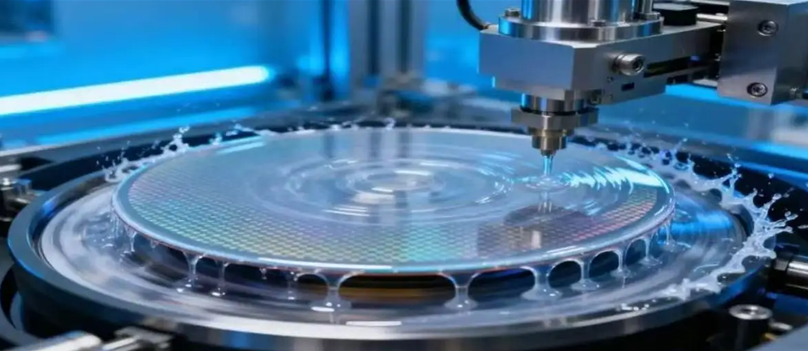
When you’re working with wafers, you need the moisture gone—and you need it gone fast. But if you’re too aggressive, you risk ruining the wafer. For a long time, people just leaned on old-school convection systems, but we’ve moved toward digital infrared (IR) dryer controllers. Why? Because the old way wastes a ton of energy and takes forever to heat up. Switching over is basically a shortcut to a leaner, greener cleanroom.
How the Digital Side Actually Works
Here is the thing about standard IR lamps: they just blast heat. They don’t care if the wafer is already dry or still soaking; they just keep dumping energy. We fixed that by using digital controllers that actually “listen” to what’s happening in real-time. By using things like PWM or SCR phase angle control, you can keep the temperature in a very tight window. No more worrying about overshooting your set point and stressing the material. Now, there is a catch. These high-wattage arrays pack a massive punch, which means they ramp up fast. But they also get hot—really hot. If you don’t get your cabinet ventilation right, you’re just waiting for your electronics to fry during a 24/7 run.Don’t skip the fans.
Saving Power (and the Planet)
If you want to hit those carbon neutrality goals in a fab, it all comes down to how many kilowatt-hours you’re burning per wafer. Digital controllers give you “sleep modes.” Instead of leaving the lamps at 100% while the tool is just sitting there, the system drops down to a basic maintenance level. It’s a simple change, but it adds up. Plus, IR is just more efficient than resistive heating. It sinks into the surface and dries the wafer from the inside out. Everything happens faster. And when the cycle is shorter, the tool spends less time pulling power from the grid. It’s a win-win.
The Real-World Stuff
Putting these into an existing line isn’t always a “plug and play” situation. You’ve got to look at your electrical bones first. If you’re dropping in a high-power controller, make sure your breakers can handle that initial inrush of current. And a pro tip: use shielded cabling. You don’t want electromagnetic interference messing with your metrology sensors. There’s nothing worse than thinking your wafer is off-spec when it’s actually just electrical noise in the wires.