



Keeping Your Bathroom Infrared Heaters Safe (and Dry)
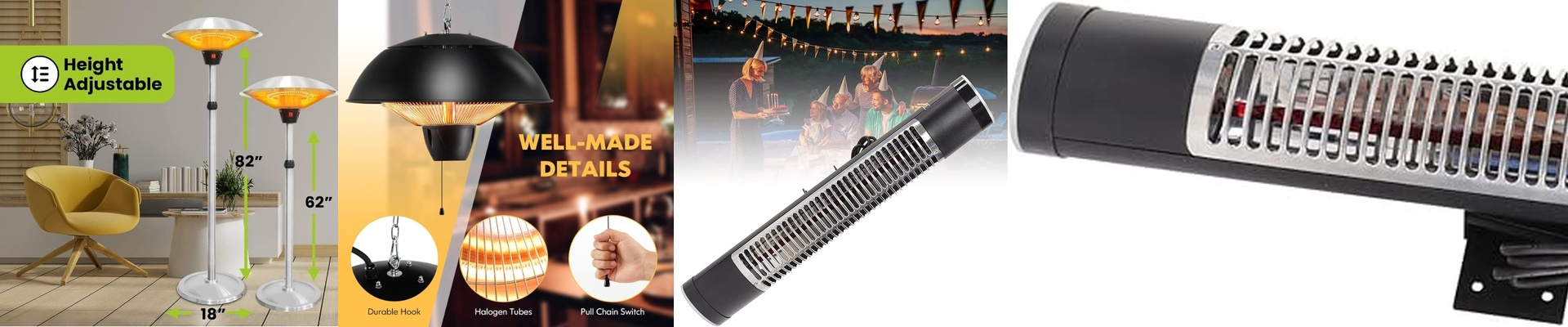
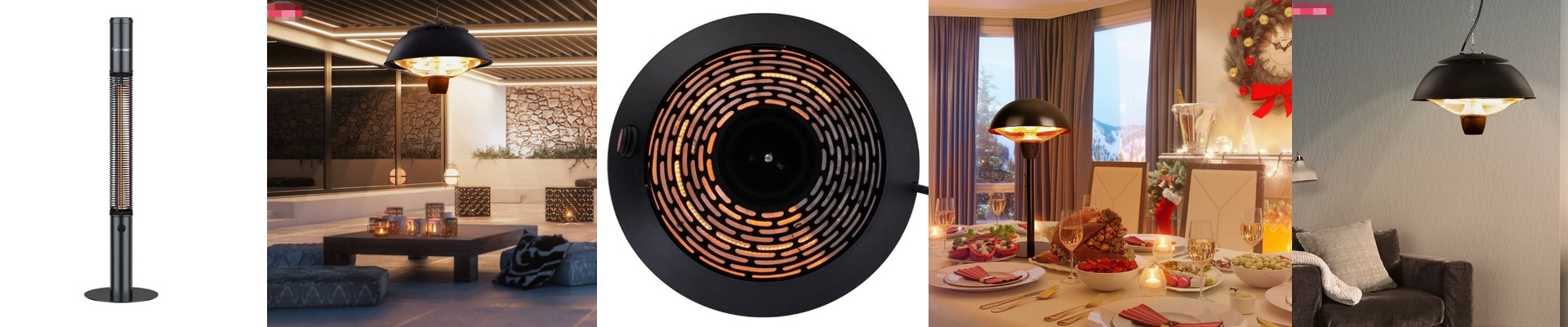
Putting infrared lamps in a high-ceiling bathroom sounds great until you remember that bathrooms are basically steam rooms. Moisture and electricity don’t get along. If you’re wiring these up in a humid spot, you’ve got to be careful about current leakage. The secret is all in how you seal the terminals and the quality of the housing. Stopping the leaks You can’t just use a basic lamp socket here. It won’t cut it. We stick with reinforced ceramic or high-temp polymers. Why? Because they stop “arcing”—that scary little spark that can jump from the live wire to the metal frame. We also use silicone gaskets or IP-rated enclosures to seal everything tight. This keeps water vapor from settling right on the contacts. Because let’s be honest: if moisture hits an open terminal, you’re looking at a short circuit. Nobody wants that. The heat vs. humidity battle Shortwave infrared lamps get hot, fast. In a weird way, that’s a good thing. The heat keeps the lamp surface warmer than the dew point, so you don’t get condensation dripping off the quartz tube. But the wiring hiding behind the reflector? That’s where the real struggle happens. It takes a beating from the damp air. That’s why we use silicone-coated or FEP wiring. These materials are tough. They don’t crack or flake away after a few months of heating up and cooling down in a steamy room. Real-world installation Here’s the thing: no matter how fancy the insulation is, you need a safety net. Always pair these heaters with a GFCI or RCD. Think of it as your last line of defense. If a cable gets nicked or a terminal wiggles loose, the GFCI trips before things get dangerous. And one last tip: make sure your mounting brackets are grounded to the building’s earth. You definitely don’t want the rest of the chassis becoming live.