

Picking the Right Power for Your Ceiling Heater
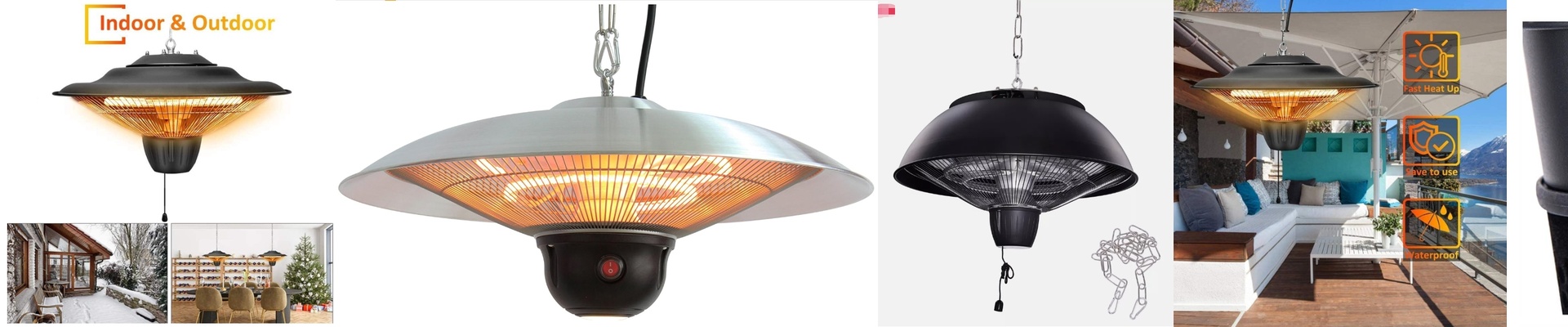
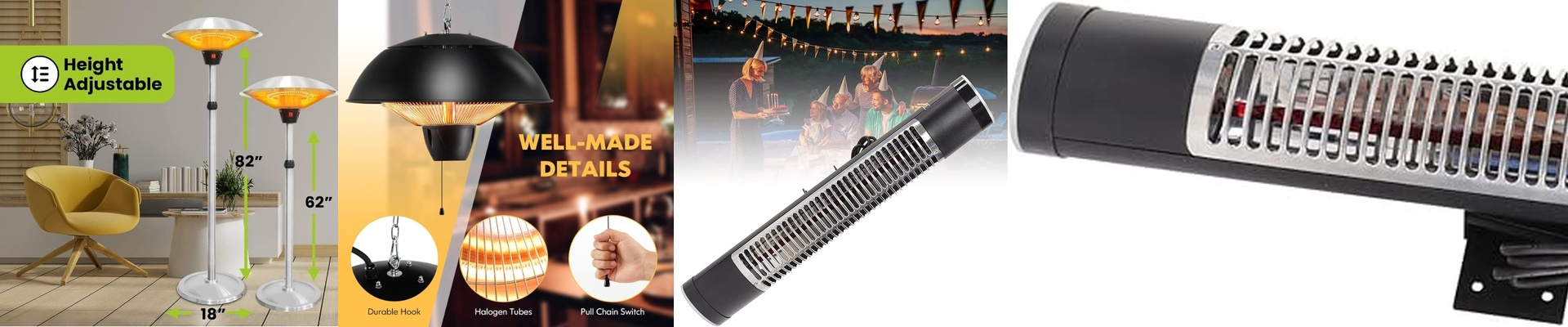
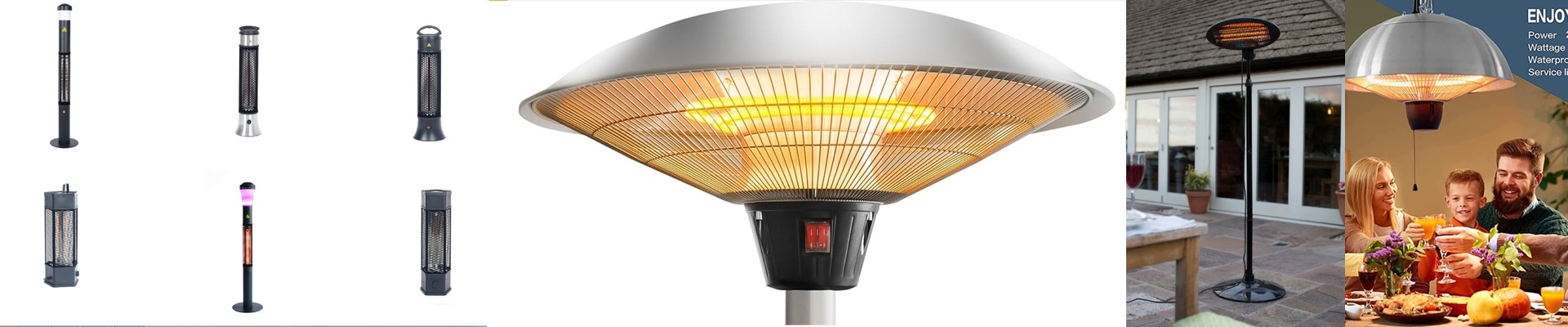
Nobody likes stepping out of a hot shower into a freezing bathroom. It’s a shock to the system. That’s where recessed infrared heaters come in. Instead of trying to heat all the air in the room—which takes forever—these things beam heat straight down onto you. It feels like a spot of sunlight on a winter day. But here’s the thing: if you pick the wrong wattage, you’re either wasting power or shivering.
Finding the “Sweet Spot” for Wattage
You have to look at your room size. If you’re dealing with a tiny powder room (under 4m²), a small 400W to 600W lamp is usually plenty. For those medium-sized bathrooms (4-8m²), you’ll want to bump that up to 800W or 1200W. If you’ve got a massive master bath, you’re looking at multiple units or a heavy-duty 1500W+ setup. Don’t just go for the biggest one available. If you oversize the lamp, you’re just throwing money away on your electric bill, and you might even overheat the housing in your ceiling. On the flip side, if you go too small, you won’t feel a thing unless you’re standing an inch away from the lamp. Also, keep your ceiling height in mind. The higher the ceiling, the more power you need to make sure that warmth actually reaches you.
The Trade-offs You Should Know About
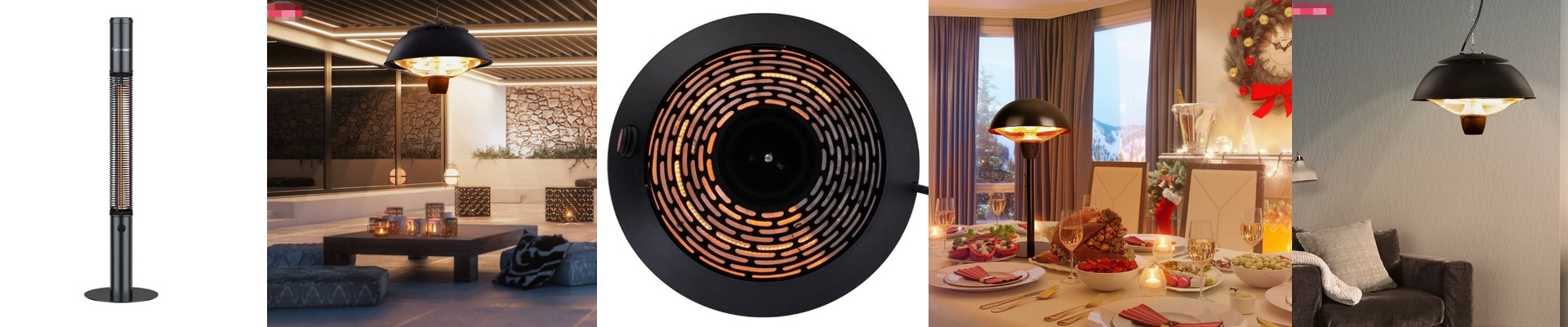
Since these are tucked away in your ceiling, they can get pretty hot up there. High-wattage lamps throw a lot of heat backward into the ceiling void. If your insulation is packed too tight or there’s no breathing room, you might trip the thermal cutoff—or worse, scorch your drywall. Most of these use short-wave quartz elements. I love them because they’re instant. You flip the switch, and boom—you’re warm. But they’re fragile.**A quick pro tip:**never touch the quartz glass with your bare hands when you’re installing it. The oils from your skin create little hot spots on the glass, and that’s usually what causes them to burn out early. Use a glove or a clean cloth.
Getting the Most Out of Your Install
Position the heater exactly where you’ll be standing—usually right over the vanity or just outside the shower. Plus, it’s worth putting these on their own dedicated circuit. It stops voltage drops, which means your heater actually puts out the heat it’s rated for. And make sure that canopy sits totally flush against the ceiling. If there are gaps, your expensive heat just leaks back into the attic instead of warming you up.